

Beginner Dog Grooming Kit: Essential Tools & How-To Guide
Table of Contents
- What Makes a Beginner Friendly Dog Grooming Kit
- Essential Tools for a Beginner Dog Grooming Kit
- Best Dog Clippers for Beginners: Corded vs. Cordless
- Top Beginner-Friendly Dog Grooming Kits: Product Comparison
- How to Groom a Dog at Home for Beginners: Step-by-Step
- Dog Grooming Vacuum Kit: Modern All-in-One Solutions
- Grooming Different Coat Types: Techniques Beyond Tool Selection
- Common Beginner Grooming Challenges: Troubleshooting & Solutions
Last Updated: July 26, 2026
What Makes a Beginner Friendly Dog Grooming Kit
A beginner friendly dog grooming kit is a curated collection of essential tools designed for pet owners with little to no grooming experience. At Pets R Smarter, we understand that the right kit removes barriers to success by bundling the most important tools together in one package. The key difference between a true beginner kit and a random assortment of tools is intentional design: every tool should serve a clear purpose, feature ergonomic handles that reduce hand fatigue, and work safely on anxious or sensitive dogs.
Essential Features for Beginners
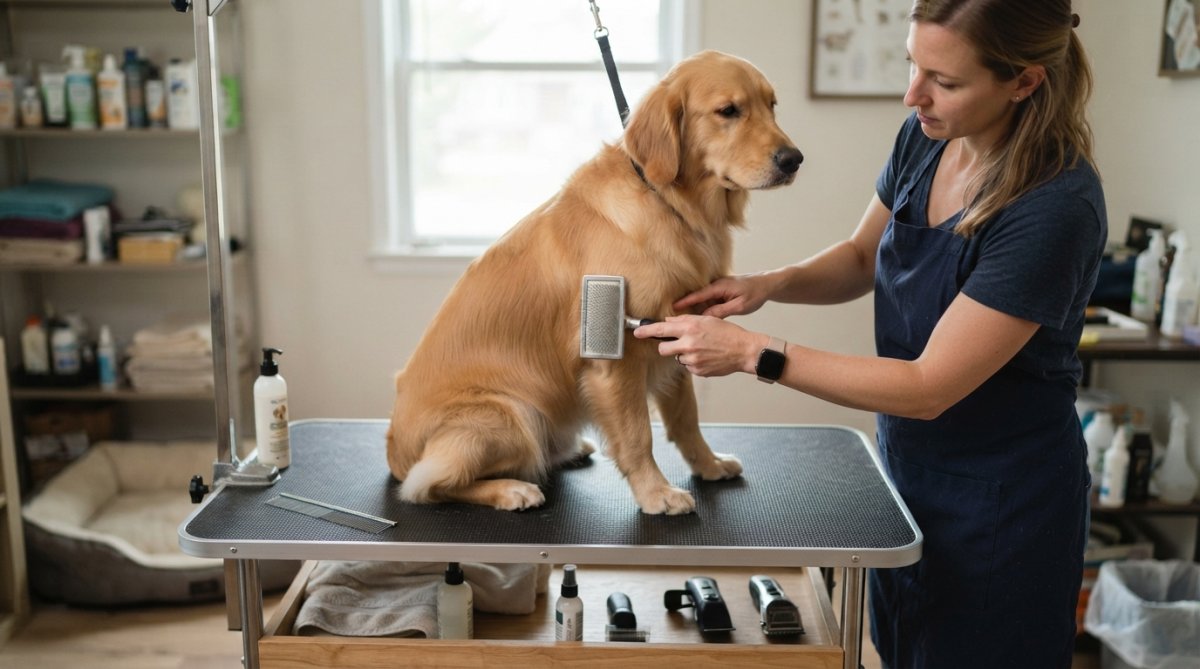
Safety comes first when selecting grooming equipment for home use. Look for clippers with rounded blade tips that prevent accidental nicks, nail trimmers with safety stops to protect against cutting the quick, and brushes with soft bristles that won't irritate sensitive skin. Weight and ergonomics matter significantly, a heavy or poorly balanced clipper creates hand strain and reduces control during extended grooming sessions. Quiet motors (under 65 decibels) help keep nervous dogs calm, while loud clippers can trigger fear responses that make future grooming sessions harder.
Why All-in-One Kits Work Best for New Pet Owners
All-in-one kits ensure every component is compatible and appropriate for the bundle's intended purpose. Bundled kits typically cost 20-30% less than purchasing each tool separately, which matters when testing whether home grooming is right for your situation. Most quality bundles include a carrying case or storage bag, keeping everything organized and accessible.
Essential Tools for a Beginner Dog Grooming Kit
Every functional grooming kit includes four core tool categories: clippers, brushes and combs, nail care equipment, and bathing supplies.
Clippers and Scissors
Dog clippers come in two main types: rotary and magnetic motor designs. Rotary motors deliver consistent power for thick coats, while magnetic motors run quieter and generate less heat, important for dogs with sensitive skin. The Wahl Pet-Pro Corded Clipper Kit features self-sharpening steel blades that maintain their edge through repeated use.
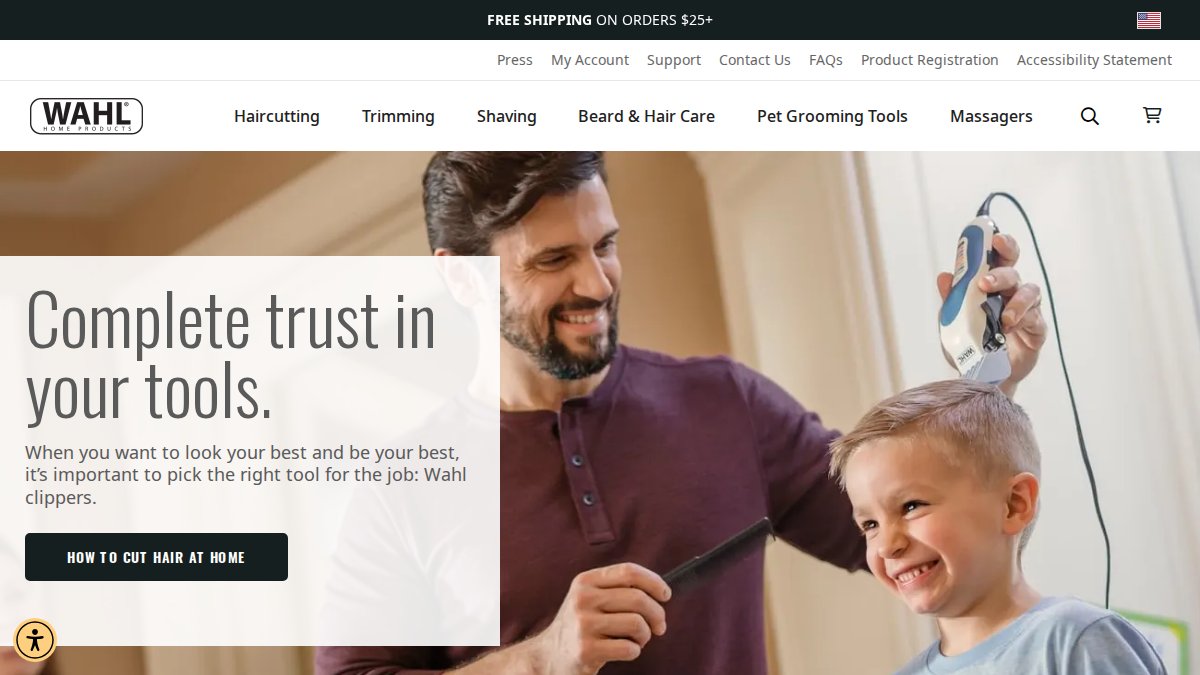
Cordless clippers offer mobility and convenience, but corded models provide consistent power without battery anxiety. The Andis EasyClip Groom Clipper Kit operates at 3700 strokes per minute with a quiet rotary motor, keeping anxious dogs calmer during grooming.
Scissors serve different purposes than clippers, use them for trimming around sensitive areas like eyes, ears, and paws where clipper blades might cause injury.
Brushes and Combs for Shedding Control
A slicker brush removes mats and tangles while distributing natural oils through the coat. The Hertzko Self Cleaning Slicker Brush includes a self-cleaning button that retracts bristles for easy hair removal. The FURminator deShedding Tool targets loose undercoat hair without cutting the topcoat, reducing shedding by up to 90% with regular use, particularly valuable for double-coated breeds like Golden Retrievers or German Shepherds. Fine-toothed combs help you identify mats before they become severe; if a comb catches or pulls, you've found matting that needs attention.
Nail Care Tools
The Safari Professional Nail Trimmer features a safety stop that prevents over-cutting, making it ideal for beginners who worry about hitting the quick. Scissor-style clippers feel more intuitive for most people and provide better control. Keep styptic powder nearby during every grooming session; accidents happen even to experienced groomers.
Best Dog Clippers for Beginners: Corded vs. Cordless
Corded clippers never lose power mid-groom and cost significantly less, but they limit mobility and require access to an outlet. Cordless clippers offer freedom of movement but require battery management and cost more. For beginners, corded clippers typically make more sense, the Wahl Pet-Pro delivers reliable power at an accessible price point, letting you focus on learning proper technique.
| Clipper Type | Best For | Key Advantage | Main Drawback |
|---|---|---|---|
| Corded | Budget-conscious beginners | Consistent power, lower cost | Limited mobility |
| Cordless | Mobile groomers, frequent touch-ups | Freedom of movement | Battery management, higher cost |
| Rotary Motor | Thick coats, extended sessions | Powerful, durable | Heavier, more expensive |
| Magnetic Motor | Sensitive skin, anxious dogs | Quiet operation, less heat | Less power for thick coats |
Top Beginner-Friendly Dog Grooming Kits: Product Comparison
When shopping for a complete grooming kit, compare what's included alongside build quality and ease of use. The best kit depends on your dog's coat type, your budget, and how frequently you plan to groom.
Quick Comparison Table
| Kit Name | Included Tools | Best For | Key Feature |
|---|---|---|---|
| Friendli Beginner Grooming Tool Kit | Slicker brush, bristle brush, nail clipper, comb | New pet owners, basic maintenance | Lightweight, portable, ergonomic |
| Wahl Pet-Pro Clipper Kit | Clippers, scissors, comb, accessories | Dogs with thick coats | Self-sharpening blades, powerful motor |
| Andis EasyClip Groom Kit | Clippers with 6 combs, detachable blades | Full-body grooming | Quiet operation, compatible blades |
| BISSELL BarkBath Portable System | Bathing nozzles, suction technology | Mess-free bathing | Water-efficient, gentle on skin |
The Friendli Beginner Grooming Tool Kit appeals to pet owners who want basic maintenance supplies without clippers. It's lightweight and works well for dogs that visit professional groomers but need between-appointment touch-ups.

For owners committed to full-body home grooming, the Wahl Pet-Pro Corded Clipper Kit provides the power needed for thick coats at an accessible price point. The Andis EasyClip Groom Clipper Kit costs more but delivers quieter operation and versatile blade compatibility, if your dog gets anxious during grooming, the quiet motor makes a measurable difference. The BISSELL BarkBath Portable Dog Bath and Grooming System focuses on bathing efficiency, using just 40 ounces of water for an 80-pound dog.

How to Groom a Dog at Home for Beginners: Step-by-Step
Home grooming becomes manageable when you follow a logical sequence that prevents mistakes and keeps your dog calm. Most groomers recommend bathing and drying first, then brushing and clipping once the coat is completely dry.
Preparing Your Dog and Workspace
Set up your grooming area before bringing your dog in. You'll need a non-slip surface; a grooming table with a rubber mat prevents your dog from sliding and feeling unsafe. Gather all tools within arm's reach so you're not searching for equipment while your dog stands on the table. Introduce your dog to the grooming area gradually by letting them explore the table and tools during calm sessions before your first real grooming. Brush your dog thoroughly before bathing to remove mats and tangles that become worse when wet.
Basic Brushing and Deshedding Techniques
Start with a slicker brush on the outer coat, using gentle strokes that follow the direction of hair growth. For long-haired dogs, work in sections, brushing from the skin outward. Once the outer coat is smooth, use a deshedding tool on double-coated breeds, working in the direction of hair growth with moderate pressure.
For dogs with mats, use a dematting comb and work slowly and gently, starting at the mat's edges and working inward rather than pulling directly on the mat.
Trimming Nails Safely
Nail trimming causes the most anxiety for beginner groomers because the quick (blood vessel inside the nail) is difficult to see. Use a scissor-style clipper like the Safari Professional Nail Trimmer, which includes a safety stop to prevent cutting too deep. Look at your dog's nail from the side; the dark spot near the center is the quick. Cut only the clear or white part extending beyond the quick. For dogs with dark nails where the quick isn't visible, use a nail grinder instead of clippers. Keep styptic powder within reach to stop bleeding if you cut the quick.
Bathing and Drying Your Dog
Use lukewarm water, never hot or cold. Start by wetting the back legs and working forward toward the head, saving the face and ears for last. Apply dog shampoo diluted with water, working it into a lather with gentle circular motions. Rinse thoroughly; shampoo residue irritates skin and causes itching. Towel-dry first to remove excess water, then use a high-velocity dryer or regular hair dryer on the cool setting. Never use hot air on dog skin. For long-haired dogs, brush while drying to prevent tangles as the coat dries.
Dog Grooming Vacuum Kit: Modern All-in-One Solutions
Grooming vacuum kits combine clippers with built-in suction that captures loose hair directly, eliminating the mess that comes with traditional grooming. Modern vacuum grooming kits like the Neabot and Oneisall models feature cordless operation, multiple attachment combs, and suction-powered hair collection. The advantage is obvious: no hair covering your grooming area. The disadvantage is cost and noise. For most beginners, a traditional clipper kit combined with a regular vacuum is more practical than investing in a grooming vacuum.
Grooming Different Coat Types: Techniques Beyond Tool Selection
Different coat types require different approaches. Understanding your dog's coat type helps you select appropriate tools and techniques that work with the coat rather than against it.
Short-Haired Dogs
Short-haired dogs like Beagles or Boxers need less grooming than long-haired breeds, but they still benefit from regular brushing. A rubber curry brush or short-bristled brush removes loose hair and distributes natural oils. Brush once weekly during non-shedding periods and 2-3 times weekly during seasonal shedding. Trim nails every 4-6 weeks and bathe every 4-8 weeks.
Long-Haired and Double-Coated Breeds
Golden Retrievers, German Shepherds, and similar double-coated breeds require the most grooming commitment. These dogs have an outer guard coat and a soft undercoat that sheds dramatically during spring and fall. Brush long-haired dogs 3-4 times weekly during non-shedding periods and daily during coat blows. Use a slicker brush first to remove mats, then a deshedding tool to pull out loose undercoat. During seasonal shedding, expect to remove enormous amounts of undercoat, which dramatically reduces shedding for weeks afterward.
Curly and Wiry Coats
Poodles, Doodles, and terrier breeds with curly or wiry coats mat easily and require frequent grooming. These coats don't shed like double coats, but they trap loose hair inside the coat structure, creating mats if not brushed regularly. Brush curly-coated dogs 4-5 times weekly with a slicker brush, working through the entire coat to the skin.
Common Beginner Grooming Challenges: Troubleshooting & Solutions
Most beginners encounter predictable problems that derail their grooming confidence.
Handling Matting and Tangles
Mats form when loose hair wraps around healthy hair, creating tight knots close to the skin. Prevention beats treatment, brush your dog regularly; long-haired dogs need brushing at least 3-4 times weekly. For existing mats, use a dematting comb or mat splitter to work them out gently, starting at the mat's edges and working inward. Never pull directly on the mat. If a mat won't budge after several gentle attempts, trim it out with scissors. For severe matting throughout the coat, professional grooming is often the best option.
Managing Anxious or Resistant Dogs
Dogs develop grooming anxiety for various reasons: previous negative experiences, sensitive skin, fear of water, or dislike of restraint. Start with short, positive sessions of just 2-3 minutes, offer praise and treats, then stop. Gradually extend the duration as your dog becomes comfortable. Use high-value treats during grooming to create positive conditioning. Consider using a grooming loop or restraint system that keeps your dog safely in position. For severely anxious dogs, consult your veterinarian about anti-anxiety options or consider professional grooming.
Avoiding Clipper Burn and Skin Irritation
Clipper burn occurs when blade friction generates heat that irritates or burns the skin. Prevent it by using sharp blades, dull blades require more pressure and generate more heat. Clean and oil your clipper blades regularly according to the manufacturer's instructions. Never use clippers on wet skin; moisture increases friction and heat generation. Always groom on completely dry coat and take breaks every 15-20 minutes to let your clippers cool down. If you notice redness or irritation after grooming, apply a soothing balm designed for dog skin.
Home grooming transforms your relationship with pet care when you approach it with the right tools and knowledge. The challenge most beginners face isn't lack of skill, it's starting with equipment that frustrates rather than enables success. Pets R Smarter partners with industry professionals to ensure our grooming kits prioritize your dog's comfort and your confidence. From quiet cordless clippers to self-cleaning brushes that reduce hand fatigue, every tool is selected for beginner success. Our Tail Satisfaction Guarantee backs every product, so you can groom with confidence knowing we stand behind your purchase.
Frequently Asked Questions
What tools should be included in a beginner dog grooming kit?
A foundational beginner dog grooming kit should include clippers or scissors, a slicker brush for removing tangles, a comb for detangling, nail clippers with a safety stop, styptic powder for minor bleeding, and a deshedding tool or undercoat rake if your dog has shedding issues. Many beginners start with basic manual tools before investing in cordless clippers. The specific tools depend on your dog's coat type, short-haired dogs need fewer tools than long-haired or double-coated breeds.
How do I choose the right grooming tools for my dog's coat type?
For short-haired dogs, a basic slicker brush and nail clippers are sufficient. Long-haired breeds benefit from a dematting comb and undercoat rake to prevent matting and manage shedding. Double-coated dogs like Golden Retrievers need deshedding tools to reach the undercoat without damaging the topcoat. Curly and wiry-coated breeds require specialized combs and may benefit from clippers with guide combs. When selecting tools, consider your dog's specific grooming needs and start with versatile options that work across multiple coat types.
Are cordless dog clippers good for beginners, or should I start with corded clippers?
Cordless clippers offer convenience and freedom of movement, making them appealing for beginners. However, corded clippers typically provide more consistent power for thick coats and don't require battery management. For beginners with anxiety-prone dogs, cordless clippers with low-noise motors can be less stressful. Corded options like the Wahl Pet-Pro offer powerful, reliable performance at a lower price point. Your choice depends on your dog's coat thickness, your comfort with battery management, and your budget.
How often should I groom my dog at home as a beginner?
Grooming frequency depends on your dog's coat type and lifestyle. Short-haired dogs typically need grooming every 4-6 weeks, while long-haired breeds may need weekly brushing and bathing every 6-8 weeks. Double-coated dogs benefit from regular deshedding, especially during shedding seasons. Nail trimming should occur every 3-4 weeks or when nails touch the ground. Start with a consistent schedule, even basic maintenance every 2-3 weeks helps you develop skills and prevents matting, tangles, and excessive shedding.
What's the difference between a regular grooming kit and a dog grooming vacuum kit?
Traditional grooming kits include individual tools like clippers, brushes, and nail trimmers that you use separately. Dog grooming vacuum kits combine grooming tools with suction technology to capture loose hair as you groom, reducing mess and airborne dander. Vacuum kits are particularly useful for heavy shedders and make cleanup easier, but they're typically more expensive and require charging or power access. For beginners with minimal shedding concerns, a basic grooming kit may be more practical; vacuum kits shine for dogs with significant undercoat shedding.
This article was written using GrandRanker