

Benefits of Regular Pet Dental Care: A Complete Guide
Table of Contents
- Why Regular Pet Dental Care Matters
- The Connection Between Oral Health and Systemic Health
- Recognizing Signs of Dental Disease in Pets
- How to Brush Dog Teeth at Home
- Professional Dental Cleanings and Pet Dental Cleaning Cost
- Breed-Specific Dental Predispositions and Risk Factors
- Preventative Care Products That Work
- Conclusion
Last Updated: August 27, 2026
Why Regular Pet Dental Care Matters
According to [Banfield Pet Hospital's 2024 State of Pet Dental(https://petsrsmarter.com/products/oxyfresh-premium-pet-dental-care-solution-pet-water-additive-best-way-to-eliminate-bad-dog-breath-and-cat-bad-breath-fights-tartar-plaque-so-easy-just-add-to-water-vet-recommended-16-oz) Health | banfield.com], 73% of dogs and 64% of cats seen at veterinary clinics were diagnosed with dental-related issues, with over 80% of dogs and 70% of cats exhibiting signs of dental disease by age three. Yet most pet owners treat dental care as an afterthought.
Regular pet dental care extends far beyond fresh breath, it's foundational preventative medicine. Pet owners who commit to consistent dental care routines report healthier, more comfortable pets with fewer emergency veterinary visits. Dental disease doesn't stay confined to the mouth; it spreads systemically, affecting organs, quality of life, and longevity. When you brush your pet's teeth, use preventative products, and schedule professional cleanings, you're protecting your pet's cardiovascular system, kidneys, and overall vitality. Pets with consistent dental care live longer, experience less pain, and enjoy better quality of life.
The Connection Between Oral Health and Systemic Health
Bacteria living in an infected mouth don't stay there. When periodontal disease advances, harmful bacteria enter the bloodstream and travel throughout the body, settling in vital organs.
According to Banfield Pet Hospital's analysis of over 3 million pets, cats with advanced periodontal disease were 1.5 times more likely to develop chronic kidney disease. For dogs, those with advanced periodontal disease were 2.3 times more likely to develop kidney disease and 6.3 times more likely to develop endocarditis, a serious infection of the heart valve. Research tracking thousands of American dogs found a dose-response relationship: as periodontal disease severity increased, so did the likelihood of chronic kidney disease progression.
Infected gums and tooth roots create a gateway for bacteria to enter the bloodstream. These pathogens trigger systemic inflammation and infection in distant organs, causing weight loss, lethargy, and decreased appetite. Regular pet dental care interrupts this cycle. Professional cleanings remove the bacterial biofilm below the gum line where most damage occurs. At-home care prevents plaque from hardening into tartar, keeping bacteria confined to the mouth and out of vital organs.
Recognizing Signs of Dental Disease in Pets
Identifying dental disease early makes treatment simpler and less expensive. Common signs include bad breath noticeably worse than typical "dog breath" or "cat breath," visible tartar buildup appearing as brown or yellow crusty deposits along the gum line, and inflamed gums that appear red or darker instead of healthy pink.
Behavioral changes often accompany dental problems. Pets with oral pain may avoid hard kibble, preferring soft food or dropping food while eating. Some become reluctant to chew toys they once enjoyed. You might notice excessive drooling, pawing at the mouth, or swelling around the jaw or face.
Gum diseases accounted for over 39% of all dental issues in 2024, according to Nova One Advisor's 2024 market analysis, underscoring how common the problem is and how critical early detection becomes.
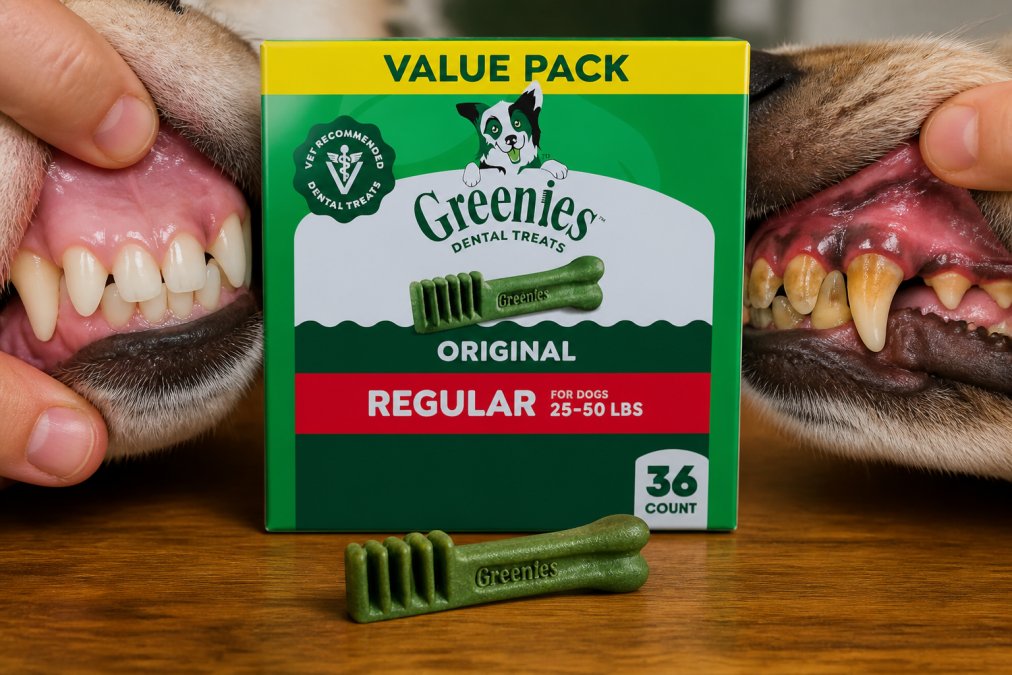
Many pets hide pain until it becomes severe. Regular veterinary dental exams identify early-stage periodontal disease, gingivitis, or other problems before your pet shows obvious symptoms. Annual or semi-annual dental check-ups catch issues when they're easiest and least expensive to treat.
How to Brush Dog Teeth at Home
Brushing your dog's teeth at home is the single most effective preventative tool you have. Yet only 2-8% of pet owners actually brush their pets' teeth regularly, according to recent industry data.
Start by choosing the right tools. Use a soft-bristled toothbrush designed for dogs and enzymatic toothpaste formulated for dogs; never use human toothpaste, which contains harmful ingredients if swallowed.
Step 1: Desensitize Your Dog (Week 1-2)
Let your dog taste the toothpaste on your finger. Rub it along the outer surfaces of their teeth and gums for 30 seconds daily. Your goal is to make the experience positive and non-threatening.
Step 2: Introduce the Toothbrush (Week 2-3)
Apply toothpaste to the brush and let them lick it off. Gently touch the brush to their front teeth without brushing. Keep sessions short, 30-45 seconds, and reward with praise immediately after.
Step 3: Begin Gentle Brushing (Week 3-4)
Start gentle brushing motions on the outer surfaces of the teeth, where plaque accumulates most. Use small circular motions at a 45-degree angle to the gum line.
Step 4: Establish a Routine
Aim to brush 3-5 times per week minimum; daily is ideal. Even twice-weekly brushing significantly reduces plaque accumulation compared to no brushing.
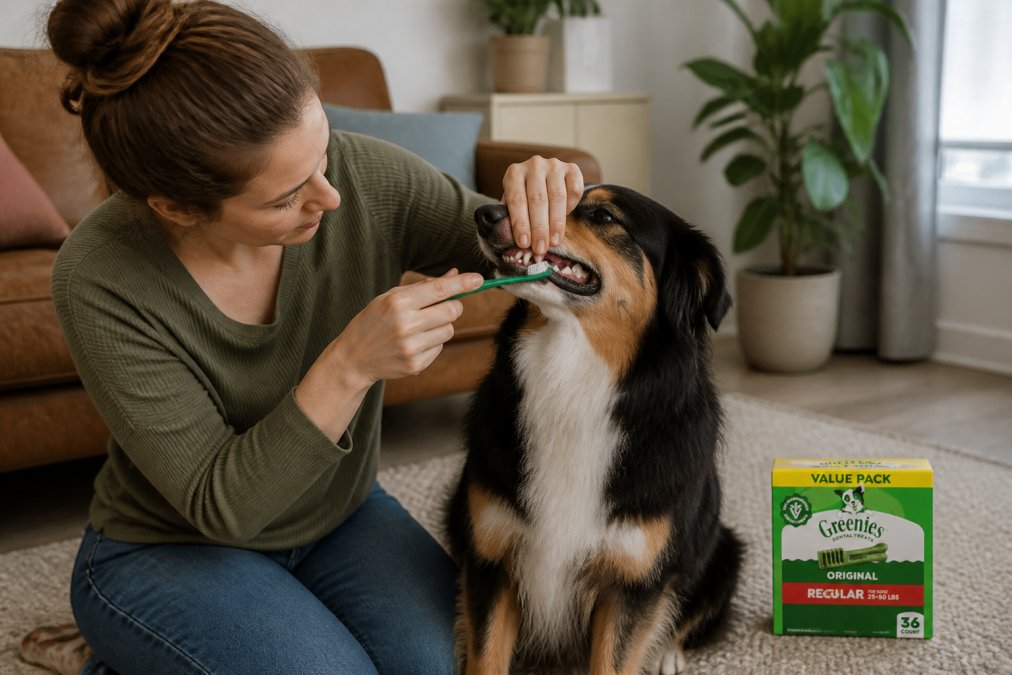
Don't force your dog or rush the process. If your dog resists, you've moved too fast, go back a step. Never use human toothpaste or baking soda. Even imperfect brushing provides significant benefit compared to nothing.
Professional Dental Cleanings and Pet Dental Cleaning Cost
Professional dental cleanings are essential for comprehensive oral health. While home care prevents plaque accumulation, it cannot remove tartar that's already formed or clean beneath the gum line where the most damaging bacteria live.
Under anesthesia, the veterinarian uses ultrasonic scalers to remove tartar from the crown and root surfaces, then polishes the teeth to slow future plaque adhesion. Crucially, they scale subgingivally, below the gum line, where periodontal disease actually develops.
Pet dental cleaning costs vary based on your pet's age, size, overall health, and disease severity. A routine cleaning for a healthy dog typically ranges from $300-$800, depending on your geographic location and veterinary clinic. Extractions add $10-$15 per tooth. Advanced cases can exceed $1,500.
This seems expensive until you compare it to emergency care. A pet that develops an abscessed tooth or systemic infection may require emergency surgery, hospitalization, and antibiotics, costs that easily exceed $2,000-$4,000. Regular cleanings cost a fraction of emergency intervention.
The services segment accounts for over 70% of the U.S. pet dental health market, according to Nova One Advisor's 2024 market analysis, reflecting the critical importance of professional care. Most veterinarians recommend cleanings every 1-3 years depending on your pet's predisposition to dental disease.
Breed-Specific Dental Predispositions and Risk Factors
Not all dogs face equal risk for dental disease. Breed genetics, jaw structure, and tooth crowding create dramatically different vulnerabilities.
Extra-small dog breeds weighing less than 14.3 pounds are up to five times more likely to develop periodontal disease than giant breeds exceeding 55 pounds, according to research from Waltham Petcare Science Institute. This disparity stems from crowded teeth in smaller mouths. Chihuahuas, Yorkshire Terriers, and Pomeranians have the same number of teeth compressed into much smaller spaces, creating tight contacts where plaque accumulates.
Brachycephalic breeds like Bulldogs, Pugs, and Boston Terriers face additional challenges due to compressed jaw structure and sometimes misaligned teeth. Conversely, large-breed dogs with properly spaced teeth naturally experience less plaque accumulation.
Age compounds risk. Senior pets have decades of plaque exposure and may already have early-stage periodontal disease. Understanding your specific dog's risk category helps you tailor preventative efforts. A toy breed should begin brushing by age 2 and receive professional cleanings every 1-2 years. A large-breed dog with excellent home care might extend professional cleanings to every 3 years.
Preventative Care Products That Work
Beyond brushing and professional cleanings, several categories of preventative products reduce plaque and tartar accumulation when chosen carefully.
Dental water additives offer convenience for owners struggling with brushing resistance. Products like Oxyfresh Pet Dental Water Additive work by adding antimicrobial compounds to your pet's drinking water, reducing bacterial growth in the oral cavity. Research shows these reduce plaque and tartar accumulation, though they're most effective when combined with mechanical cleaning. Oxyfresh's formula is vet-recommended and specifically formulated to eliminate bad breath while fighting tartar and plaque. At Pets R Smarter, we carry Oxyfresh Pet Dental Water Additive - 16 oz. for $18.95.
Dental chews work through mechanical abrasion, with the chewing action physically removing plaque from tooth surfaces. Look for products with the VOHC (Veterinary Oral Health Council) seal, which indicates the product has been tested and proven to reduce plaque or tartar. Greenies Regular Dental Dog Treats exemplify an evidence-backed option. Studies show 47% less tartar accumulation and 40% less plaque accumulation in dogs using these treats compared to controls. At Pets R Smarter, Greenies Regular Dental Dog Treats - Original Chicken Flavor, 36 Count are available for $33.12.
| Product Category | Mechanism | Effectiveness | Best For |
|---|---|---|---|
| Water additives | Antimicrobial compounds in drinking water | Moderate; requires daily use | Dogs resistant to brushing |
| Dental chews (VOHC-approved) | Mechanical abrasion during chewing | Moderate to high; proven reduction in plaque/tartar | All dogs; especially those accepting treats |
| Enzymatic toothpaste + brushing | Mechanical + chemical plaque removal | Highest; gold standard | Dogs tolerating brushing |
| Prescription dental diets | Modified kibble texture for mechanical action | Moderate; limited to dogs accepting diet change | Dogs with existing disease |
| Oral probiotics | Beneficial bacteria competition | Emerging evidence; limited data | Supplementary use only |
The most effective approach combines multiple strategies. A dog receiving weekly brushing, daily dental chews, and annual professional cleanings experiences dramatically better outcomes than one relying on any single method.
The benefits of regular pet dental care compound over time. Early intervention prevents costly emergency surgery. Consistent prevention eliminates chronic pain and systemic infection. Your pet lives longer, eats comfortably, and maintains better overall health. At Pets R Smarter, we're committed to making dental care accessible through premium, expert-approved products backed by our Tail Satisfaction Guarantee. Start with one intervention and build from there. Your pet's health depends on it.
== FAQ ANSWERS (audit these too, same rules) ==
[1] Q: What are the main benefits of regular pet dental care? A: Regular pet dental care prevents periodontal disease, reduces the risk of systemic infections affecting the heart and kidneys, eliminates bad breath, maintains proper chewing ability, and improves overall quality of life. Studies show that dogs with advanced periodontal disease are 2.3 times more likely to develop chronic kidney disease and 6.3 times more likely to develop endocarditis. Professional cleanings remove plaque and tartar while at-home brushing slows disease progression and prevents new problems from occurring.
[2] Q: How often should I brush my pet's teeth? A: Ideally, brush your pet's teeth daily, just like you would your own. Daily brushing removes plaque before it hardens into tartar and significantly reduces the buildup of harmful bacteria. If daily brushing isn't possible, aim for at least 3-4 times per week. Consistent brushing, combined with professional cleanings, provides the most effective defense against periodontal disease and keeps your pet's mouth healthy.
[3] Q: Are dog dental cleanings really necessary? A: Yes. Professional dental cleanings are essential because they remove tartar and calculus that brushing alone cannot eliminate. Over 80% of dogs show signs of dental disease by age three, yet only 2-8% of owners brush their pets' teeth regularly. Professional cleanings under anesthesia allow veterinarians to scale below the gum line, perform dental radiographs to detect hidden problems, and extract diseased teeth before they cause pain or systemic complications. Veterinary hospitals and clinics remain the leading distribution channel for pet dental care, accounting for approximately 40% of the market.
[4] Q: What is the average cost for a dog's dental cleaning? A: Pet dental cleaning costs vary based on your pet's size, age, and the extent of disease, but typically range from $200 to $800 for a professional cleaning under anesthesia. While this may seem expensive upfront, preventative care is significantly more affordable than emergency extractions, root canals, or treating systemic diseases caused by untreated dental disease. The long-term health benefits and reduced risk of costly complications make regular professional cleanings a worthwhile investment in your pet's wellbeing.
Frequently Asked Questions
What are the main benefits of regular pet dental care?
Regular pet dental care prevents periodontal disease, reduces the risk of systemic infections affecting the heart and kidneys, eliminates bad breath, maintains proper chewing ability, and improves overall quality of life. Studies show that dogs with advanced periodontal disease are 2.3 times more likely to develop chronic kidney disease and 6.3 times more likely to develop endocarditis. Professional cleanings remove plaque and tartar while at-home brushing slows disease progression and prevents new problems from occurring.
How often should I brush my pet's teeth?
Ideally, brush your pet's teeth daily, just like you would your own. Daily brushing removes plaque before it hardens into tartar and significantly reduces the buildup of harmful bacteria. If daily brushing isn't possible, aim for at least 3-4 times per week. Consistent brushing, combined with professional cleanings, provides the most effective defense against periodontal disease and keeps your pet's mouth healthy.
Are dog dental cleanings really necessary?
Yes. Professional dental cleanings are essential because they remove tartar and calculus that brushing alone cannot eliminate. Over 80% of dogs show signs of dental disease by age three, yet only 2-8% of owners brush their pets' teeth regularly. Professional cleanings under anesthesia allow veterinarians to scale below the gum line, perform dental radiographs to detect hidden problems, and extract diseased teeth before they cause pain or systemic complications. Veterinary hospitals and clinics remain the leading distribution channel for pet dental care, accounting for approximately 40% of the market.
What is the average cost for a dog's dental cleaning?
Pet dental cleaning costs vary based on your pet's size, age, and the extent of disease, but typically range from $200 to $800 for a professional cleaning under anesthesia. While this may seem expensive upfront, preventative care is significantly more affordable than emergency extractions, root canals, or treating systemic diseases caused by untreated dental disease. The long-term health benefits and reduced risk of costly complications make regular professional cleanings a worthwhile investment in your pet's wellbeing.
This article was written using GrandRanker