

Dog Dry Flaky Skin on Back: 7 Causes & Relief
Table of Contents
- Why Your Dog Has Dry Flaky Skin on the Back
- 7 Common Causes of Dog Dry Flaky Skin
- Home Remedies for Dog Dry Skin: What Works and What Doesn't
- Best Shampoo for Dry Dog Skin and Grooming Solutions
- When to See a Vet for Dog Skin Issues
- Breed-Specific Predispositions to Dry Skin
- Frequently Asked Questions
Last Updated: September 3, 2026
Why Your Dog Has Dry Flaky Skin on the Back
Dog dry flaky skin on the back is one of the most common complaints pet owners bring to veterinarians. Skin allergies have been the #1 claim in dogs with Nationwide Pet Insurance for 13 consecutive years, with over 450,000 claims in 2024 alone. This signals that the problem affects millions of dogs and their owners.
The frustration is real: your dog scratches constantly, leaves flakes on furniture, and you're unsure if it's allergies, dry air, or something more serious. The good news is that most cases respond well to targeted treatment once you identify the root cause. Dry, flaky skin can stem from environmental factors, parasites, food sensitivities, underlying health conditions, and breed predisposition. This guide breaks down the seven most common causes, what to do about them, and when to see a veterinarian.
7 Common Causes of Dog Dry Flaky Skin
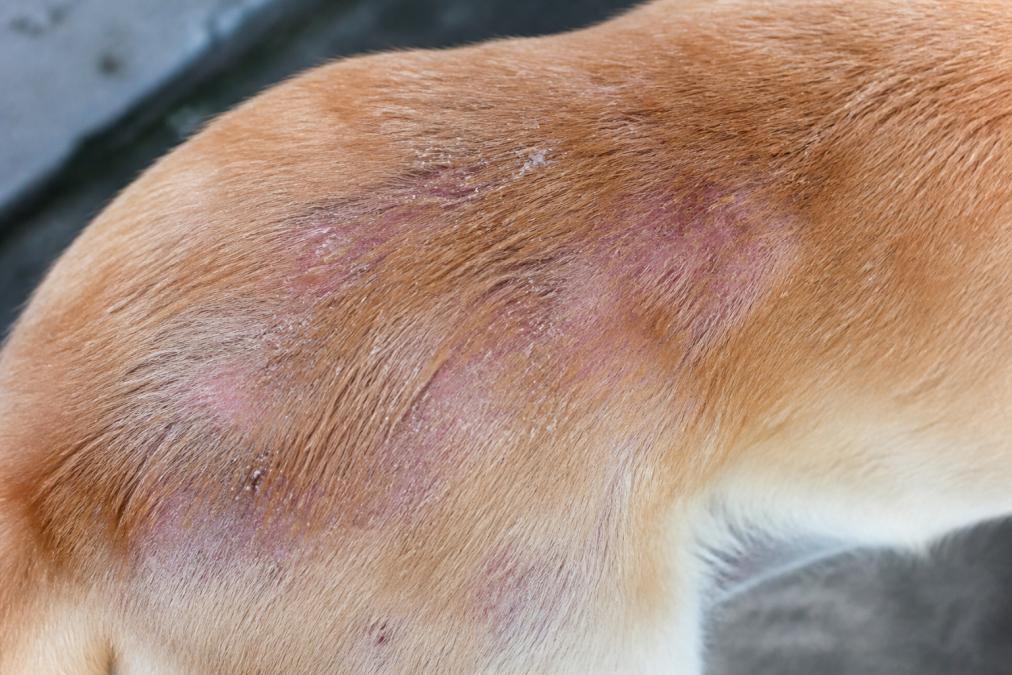
Understanding what causes dog dry flaky skin is the first step toward relief. Identifying which cause applies to your dog will guide your treatment approach.
1. Atopic Dermatitis and Allergic Reactions
Atopic dermatitis is an inflammatory skin condition triggered by environmental or food allergens. It's the most common form of allergic skin disease in dogs. According to NIH research, the prevalence of atopic or allergic dermatitis in dogs examined at veterinary practices was 4.7% (peer-reviewed research).
Your dog's immune system overreacts to allergens like pollen, dust mites, or mold, triggering inflammation and compromising the skin barrier. Dogs often show constant scratching, red or irritated skin, and sometimes secondary bacterial or yeast infections. The condition is hereditary and chronic but highly manageable with the right approach.
Treatment typically involves identifying the specific allergen, minimizing exposure, and supporting the skin barrier with appropriate topical treatments and supplements.
2. Environmental Factors and Low Humidity
Low humidity strips natural oils from your dog's coat and skin. During winter, central heating reduces indoor humidity dramatically, directly causing visible flaking and increased scratching. Approximately 15-20% of dogs experience xerosis (pathologically dry skin) at some point (peer-reviewed research).
When humidity drops below 30%, skin loses moisture faster than sebum can replace it, resulting in visible flaking and discomfort. This cause is seasonal and environmental, making it easier to address than allergies. Increasing home humidity, bathing less frequently during dry months, and using moisturizing products can resolve the issue. Running a humidifier during winter often makes a noticeable difference within days.
3. Parasitic Infestation: Fleas, Mites, and Lice
Parasites cause dry, flaky skin through direct irritation and allergic reactions. Even a single flea bite can trigger an allergic response in sensitive dogs. Flea allergy dermatitis is one of the primary types of allergic dermatitis in dogs.
Your dog doesn't need a heavy infestation to suffer; minimal exposure triggers the allergic response. Parasites are preventable with year-round flea and tick prevention. Once eliminated, skin usually recovers within 2-4 weeks as the barrier rebuilds.
4. Seborrhea and Sebaceous Gland Imbalance
Seborrhea occurs when sebaceous glands either overproduce or underproduce sebum, the natural oil protecting skin. Underproduction causes dry, flaky, irritated skin. Seborrhea can be primary (genetic) or secondary (caused by allergies, hormonal issues, or infections). Primary seborrhea is rare and breed-specific; secondary seborrhea is more common and usually resolves once you address the underlying cause.
Defective epidermal barrier function and impaired ceramide production are the primary mechanisms underlying most cases of canine xerosis (peer-reviewed research). Treatment often involves restoring the skin barrier with ceramide-rich products and omega-3 supplementation.
5. Food Sensitivities and Nutritional Deficiencies
Food hypersensitivity-related dermatitis is triggered by specific ingredients, commonly beef, chicken, wheat, or soy. The allergic reaction manifests as skin inflammation, itching, and flaking. Nutritional deficiencies, particularly in omega-3 fatty acids and zinc, can also cause dry skin, though they're uncommon in dogs fed complete and balanced commercial diets.
The fix for food sensitivities involves an elimination diet to identify the trigger ingredient. For nutritional support, omega-3 supplementation helps restore skin barrier function. The Zesty Paws Dog Multivitamin with Omega-3 Fish Oil ($32.97) provides essential fatty acids and joint support.
6. Bacterial and Yeast Infections
Secondary skin infections are extremely common in dogs with underlying dry skin or allergies. The compromised skin barrier allows bacteria and yeast to colonize the surface. Malassezia yeast overgrowth is particularly common and causes additional itching, odor, and visible flaking.
These infections don't start the problem; they complicate it. Treatment requires addressing both the infection and the underlying cause. Medicated shampoos and topical treatments kill the infection, while barrier-repair products prevent recurrence.
7. Underlying Health Conditions
Dry, flaky skin can signal systemic health issues like hypothyroidism, Cushing's disease, or autoimmune conditions. These affect hormone levels or immune function, directly impacting skin health. Hypothyroidism is particularly common in older dogs and causes dry, brittle hair and visible flaking. Cushing's disease also leads to skin problems along with increased thirst and urination.
These conditions require veterinary diagnosis through blood work. Once diagnosed and treated, skin health usually improves significantly.
Home Remedies for Dog Dry Skin: What Works and What Doesn't
Safe Home Remedies You Can Try
Home remedies can provide relief for mild dry skin but work best as supporting measures alongside veterinary care, not replacements for it.
Increase humidity: Running a humidifier during dry months maintains 40-50% humidity.
Bathe less frequently: Limit baths to once every 2-4 weeks using lukewarm water and gentle, moisturizing shampoos. Focus on thorough drying to prevent moisture loss.
Omega-3 supplementation: Omega-3 fatty acids support skin barrier function. The Zesty Paws Dog Multivitamin ($32.97) combines omega-3s with other skin-supporting nutrients.
Topical moisturizers: Pet-specific moisturizing sprays provide immediate relief. The Gentle Pet Skin Care Liquid ($19.99) soothes and moisturizes without harsh chemicals.
Regular grooming: Gentle brushing removes dead skin and distributes natural oils. The Slicker Grooming Brush for Dogs ($14.99) works well without irritating sensitive skin. The Dog & Cat Deshedding Grooming Brush ($60.75) is more comprehensive for heavy coats.
Home Remedies to Avoid
Coconut oil: Can clog pores and worsen yeast overgrowth.
Apple cider vinegar: Acidic and can irritate compromised skin.
Oatmeal baths: Safe but don't address underlying causes.
Human moisturizers: Have different pH levels and can disrupt your dog's skin barrier.
Essential oils: Many are toxic to dogs or cause severe skin irritation. Avoid tea tree oil, eucalyptus, and peppermint entirely.
Best Shampoo for Dry Dog Skin and Grooming Solutions
The best shampoo for dry dog skin prioritizes barrier repair and gentle cleansing. Look for products with ceramides, fatty acids, and moisturizing agents. Medicated shampoos (prescribed by your vet) treat secondary infections, while gentle moisturizing shampoos support barrier recovery.
Bathe your dog only when necessary, typically every 4-6 weeks for dogs with dry skin. Over-bathing strips natural oils and worsens the condition. Between baths, use dry shampoo or grooming sprays to refresh the coat without water exposure.
Regular brushing removes dead skin, distributes natural oils, and allows you to monitor for changes. The Slicker Grooming Brush ($14.99) is ideal for gentle daily maintenance, while the Dog & Cat Deshedding Grooming Brush ($60.75) works well for thorough grooming sessions.
Combining quality grooming tools with appropriate shampoos and supplements addresses dry skin from multiple angles: removing irritants, supporting the barrier, and providing targeted relief.
When to See a Vet for Dog Skin Issues
Schedule a veterinary appointment if your dog shows:
- Persistent flaking lasting more than 2-3 weeks despite home care
- Constant scratching, licking, or biting at the skin
- Red, inflamed, or raw-looking skin
- Open sores, scabs, or signs of infection
- Odor or discharge from the skin
- Hair loss or bald patches
- Changes in behavior or appetite alongside skin symptoms
- Symptoms that worsen despite treatment
Your veterinarian will perform a physical examination and may recommend diagnostic tests like skin scrapings or fungal cultures. For allergies, your vet might recommend an elimination diet, prescription medications, or immunotherapy. Dermatological disorders account for almost a quarter of all clinical work in veterinary practice, so your vet has significant experience managing these cases.
Breed-Specific Predispositions to Dry Skin
Certain breeds are genetically predisposed to skin problems.
Atopic dermatitis: Terriers, Bulldogs, Retrievers, and German Shepherds show higher predisposition due to inherited impaired skin barrier function.
Seborrhea: Cocker Spaniels, Basset Hounds, and some Terrier breeds are prone to primary seborrhea, often a lifelong condition.
Yeast overgrowth: Breeds with skin folds (Bulldogs, Shar-Peis, Basset Hounds) are more susceptible because moisture accumulates in folds.
If your dog is a breed predisposed to skin issues, proactive care makes a significant difference. Regular grooming, appropriate supplementation, and early veterinary intervention prevent minor issues from becoming chronic problems.
Dog dry flaky skin on the back is frustrating for both you and your dog, but it's highly manageable once you identify the cause. Whether the issue stems from allergies, environmental dryness, parasites, or underlying health conditions, targeted treatment brings relief. Start with home remedies and environmental adjustments for mild cases, but don't delay veterinary care if symptoms persist or worsen.
At Pets R Smarter, we're committed to supporting your dog's skin health with premium grooming tools and supplements. The Zesty Paws Dog Multivitamin with Omega-3 ($32.97), Gentle Pet Skin Care Liquid ($19.99), and our selection of grooming brushes are designed to work together as part of a comprehensive skin care routine. With the right approach and our Tail Satisfaction Guarantee backing your purchase, you can help your dog achieve healthier, flake-free skin and enjoy a more comfortable life together.
===
Frequently Asked Questions
How do I get rid of flaky skin on my dog's back?
Start by identifying the cause through observation and veterinary diagnosis. For mild cases, increase humidity indoors, switch to a moisturizing shampoo, and add omega-3 supplements like Zesty Paws Dog Multivitamin to support skin barrier function. For allergies or infections, your vet may prescribe medicated shampoos or topical treatments. Persistent flaking lasting more than two weeks warrants a veterinary visit to rule out parasites, seborrhea, or underlying conditions. Consistency matters, relief typically takes 2-4 weeks of proper care.
What causes dog dry flaky skin on the back specifically?
The back is particularly prone to dryness because it receives less natural oil distribution from sebaceous glands compared to other body areas. Common culprits include atopic dermatitis (allergies), environmental dryness from winter heating, parasitic infestation, seborrhea, food sensitivities, and secondary yeast or bacterial infections. In some cases, underlying conditions like hypothyroidism or Cushing's disease can manifest as dry, flaky skin. A veterinarian can perform skin scrapings or other diagnostics to pinpoint the exact cause.
Is dry skin on a dog a sign of a serious health issue?
Mild flaking from seasonal dryness or low humidity is usually not serious and responds well to moisturizing and environmental adjustments. However, persistent, severe, or spreading flaking can indicate allergies, parasites, infections, or endocrine disorders like hypothyroidism. If your dog shows signs of secondary infection (scabs, lesions, odor), excessive scratching, hair loss, or if the condition doesn't improve within two weeks, veterinary evaluation is essential. Skin allergies alone affect 15-20% of dogs and require long-term management.
Can I use home remedies to treat my dog's dry flaky skin?
Yes, safe home remedies can help mild cases. Increase indoor humidity to 40-60%, bathe your dog less frequently with lukewarm water, use moisturizing shampoos, and add omega-3 fatty acids through supplements. Ensure your dog drinks plenty of water and avoid harsh grooming practices. However, avoid human moisturizers, essential oils, or oatmeal baths without veterinary guidance, these can worsen certain conditions. Home remedies work best alongside professional diagnosis; if flaking persists beyond two weeks or worsens, seek veterinary care.
This article was written using GrandRanker