

Films Like Isle of Dogs: 7 Stop-Motion Alternatives
Table of Contents
- Why Isle of Dogs Resonates: Understanding the Appeal
-
Films Like Isle of Dogs: Stop-Motion Masterpieces
- 1. Fantastic Mr. Fox: Whimsy Meets Satire
- 2. Kubo and the Two Strings: Cultural Depth and Visual Splendor
- 3. Coraline: Darkness and Dread in Stop-Motion
- 4. The Boxtrolls: Charm and Social Commentary
- 5. ParaNorman: Heart Beneath the Horror
- 6. Anomalisa: Experimental Stop-Motion for Adults
- 7. A Ghost Story: Minimalist Animation and Existential Themes
- Best Stop-Motion Animation Movies Beyond the Mainstream
- Thematic Alternatives: Political Allegory and Dystopian Narratives
- Movies Like Fantastic Mr. Fox: Auteur Animation and Wes Anderson's Influence
- Cultural Sensitivity and Representation in Stop-Motion Cinema
- Technical Animation Breakdown: How These Films Achieve Their Visual Magic
- Conclusion: Finding Your Next Stop-Motion Favorite
Last Updated: August 7, 2026
Why Isle of Dogs Resonates: Understanding the Appeal
Stop-motion animation demands patience, precision, and obsessive commitment to craft. Isle of Dogs exemplifies this devotion. The film's dystopian setting, meticulous visual construction, and satirical edge create something both playful and deeply political. At Pets R Smarter, we understand that pet lovers gravitate toward stories treating animals with dignity and intelligence, Isle of Dogs does exactly that.
The film's appeal runs deeper than surface charm. It presents a world where dogs are exiled, yet explores loyalty, isolation, and political convenience. The visual language, precise miniature sets, deliberate frame rates, shifting color palettes, reinforces every emotional beat. Audiences seeking cinema that respects their intelligence find narratives with thematic layers, visuals rewarding close attention, and unexpected genre blending.
What makes Isle of Dogs unique is its cultural specificity. Anderson drew from Japanese visual traditions, Noh theater, woodcut prints, and sumo wrestling imagery, weaving them into a distinctly American satirical story. This cross-cultural synthesis creates an intimate yet expansive viewing experience. Below, we explore films sharing similar qualities: stop-motion precision, thematic depth, visual invention, and refusal to condescend to either children or adults.
Films Like Isle of Dogs: Stop-Motion Masterpieces
Stop-motion demands absolute commitment from filmmakers, every frame is deliberate, every movement constructed. This constraint becomes creative fuel. The films below share Isle of Dogs' understanding that stop-motion is both technique and philosophy.
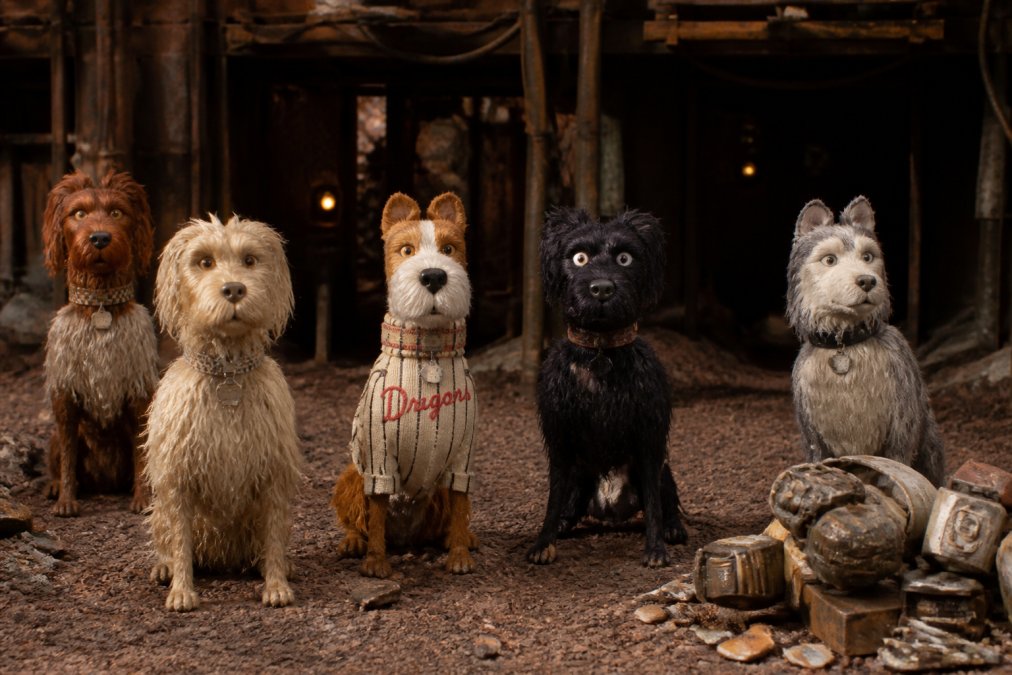
1. Fantastic Mr. Fox: Whimsy Meets Satire
Fantastic Mr. Fox (2009) established the template Isle of Dogs would refine. Anderson transforms Roald Dahl's children's book into a complex story about aging, identity, class anxiety, and masculinity. The animation's slightly jerky quality grounds the film in handmade authenticity. George Clooney's vocal performance carries melancholic edge; the puppet's movements mirror emotional subtext, tentative, explosive, deflated. Miniature forests, precise architectural interiors, and the recurring fox tail motif create a world both whimsical and claustrophobic.
If you loved Isle of Dogs' satirical bite and formal precision, Fantastic Mr. Fox is essential. Both films use stop-motion to create worlds where every detail matters, where aesthetic choices reinforce thematic content.
2. Kubo and the Two Strings: Cultural Depth and Visual Splendor
Kubo and the Two Strings (2016), directed by Travis Knight, draws from Japanese mythology while exploring memory, family trauma, and storytelling's power. The animation blends stop-motion puppetry, 2D animation, and digital compositing seamlessly. Character of Kubo, a boy with a magical shamisen, navigates landscapes populated by creatures ranging from beautiful to terrifying. The film doesn't shy from darkness; its exploration of grief carries genuine emotional weight.
What separates Kubo is its refusal to explain everything. It trusts viewers to sit with ambiguity. For audiences seeking films like Isle of Dogs, Kubo offers different cultural perspective while maintaining commitment to visual craftsmanship and thematic sophistication.
3. Coraline: Darkness and Dread in Stop-Motion
Coraline (2009), directed by Henry Selick, proves stop-motion excels at horror. A parallel dimension appears inviting, Coraline's parents are attentive, food is delicious, then wrongness emerges: button eyes, too-perfect smiles. The animation's precision becomes unsettling. Selick uses stop-motion to create tactile physicality that CGI might render too slick. Textures matter, wallpaper grain, furniture wear, movement weight. The film balances genuine scares with humor, never condescending to its audience.
For viewers drawn to Isle of Dogs' darker undertones, exile, political machinery separating families, Coraline offers more overtly nightmarish exploration. Both films use visual beauty as counterpoint to emotional danger.
4. The Boxtrolls: Charm and Social Commentary
The Boxtrolls (2014), directed by Travis Knight, combines visual whimsy with genuine social critique. A society despises creatures it depends on, clear allegory. Animation emphasizes texture and physicality; each Boxtroll has individual personality expressed through movement and design. Color palette shifts between grimy industrialized town and warm, cluttered underground spaces, reinforcing class commentary.
The Boxtrolls shares Isle of Dogs' interest in outsider perspectives. Both ask viewers to sympathize with characters society deems disposable, using stop-motion's formal properties to reinforce themes of labor, craft, and value.
5. ParaNorman: Heart Beneath the Horror
ParaNorman (2012), produced by Laika Studios, combines stop-motion with genuine emotional depth. A boy who sees ghosts navigates zombie apocalypse, but the actual story concerns acceptance, identity, and mob mentality dangers. Animation captures awkward adolescence; characters move with authentic physical awkwardness. Sophisticated color work reflects emotional states and narrative developments. Ghost character animation conveys ethereal qualities through weightless, translucent movement.
ParaNorman shares Isle of Dogs' commitment to character development and thematic complexity. Both present worlds where protagonists navigate fundamentally unjust social systems.
6. Anomalisa: Experimental Stop-Motion for Adults
Anomalisa (2015), directed by Charlie Kaufman and Duke Johnson, represents stop-motion's potential for adult-oriented experimental cinema. A motivational speaker experiences psychological breakdown. Animation is deliberately imperfect, skin textures visible, movements sometimes uncanny. Most characters share the same voice actor, creating eerie uniformity reflecting the protagonist's fractured perception. When another character speaks differently and moves distinctly, the contrast feels jarring and profound.
Anomalisa demonstrates stop-motion serving avant-garde sensibilities. For audiences appreciating Isle of Dogs' formal experimentation, Anomalisa offers even more radical approach to animation's expressive potential.
7. A Ghost Story: Minimalist Animation and Existential Themes
A Ghost Story (2017), directed by David Lowery, blends live-action with minimal animation. A ghost in a white sheet observes time's passage in a house. Animation and practical effects create something simultaneously childlike and unsettling. The film explores time, memory, and legacy on intimate and cosmic scales. Ghost movement conveys emotional states through minimal gesture. Dreamlike quality emerges through color palette and editing.
For viewers drawn to Isle of Dogs' exploration of isolation and political displacement, A Ghost Story offers more abstract, philosophical approach to similar themes.
Best Stop-Motion Animation Movies Beyond the Mainstream
Studio Laika has established itself as consistent producer of visually ambitious, thematically complex animation. Their films share commitment to practical effects, sophisticated color work, and emotional authenticity.
Missing Link (2019), directed by Chris Butler, presents buddy-comedy through stop-motion feeling both playful and technically sophisticated. Warm color palette and character animation capture physical comedy while maintaining emotional sincerity. The film explores friendship and acceptance alongside visual inventiveness.
Wendell & Wild (2022), directed by Henry Selick, demonstrates stop-motion's continued evolution. Stop-motion puppetry blends with digital effects seamlessly. The narrative addresses systemic injustice and individual agency with complexity respecting viewer intelligence.
These films share Isle of Dogs' refusal to treat animation as primarily for children. Stop-motion's formal properties, visible construction, tactile physicality, deliberate pacing, create opportunities for thematic depth that live-action or CGI might not offer as naturally.
Thematic Alternatives: Political Allegory and Dystopian Narratives
If Isle of Dogs' political allegory and dystopian worldbuilding drew you, certain films offer similar thematic territory through different visual languages.
Zootopia (2016), a CGI-animated film, uses its animal-populated city as explicit allegory for racial and systemic bias. A rabbit police officer and con-artist fox investigate conspiracy, allowing exploration of prejudice, institutional racism, and difficulty challenging entrenched systems. While animation style differs from stop-motion, thematic sophistication and refusal to offer easy resolutions echo Isle of Dogs.
Watership Down (1978), the animated adaptation of Richard Adams' novel, presents animal narrative functioning as political allegory. Exploration of power, leadership, and survival operates on multiple levels, adventure story and authoritarianism commentary. The film's willingness to present genuine danger and loss distinguishes it from contemporary children's animation.
For live-action alternatives, Parasite (2019) and Snowpiercer (2013), both directed by Bong Joon-ho, offer dystopian narratives with political bite. Both examine systemic inequality, class struggle, and violence required to maintain social hierarchies. Visual language, architecture, spatial relationships, blocking, communicates thematic content as precisely as Isle of Dogs' animation.
These films share commitment to presenting worlds where the political is personal, where individual characters navigate systems larger than themselves.
Movies Like Fantastic Mr. Fox: Auteur Animation and Wes Anderson's Influence
Wes Anderson's influence on contemporary animation extends beyond his own films. His distinctive visual language, symmetrical composition, specific color palettes, deadpan humor masking genuine feeling, has become reference point for filmmakers across media.
The Grand Budapest Hotel (2014), while live-action, demonstrates Anderson's visual approach taken to logical extreme. Every frame is mathematically precise. Exploration of memory, loss, and time's passage operates through visual language as much as narrative. Specific shades of pink, purple, and green become characters themselves.
Klaus (2019), directed by Sergio Pablos, presents stop-motion-adjacent aesthetic (technically CGI) emphasizing visual warmth, character-driven narrative, and formal sophistication. Exploration of generosity, connection, and individual action's power echoes Anderson's thematic concerns.
Anderson's influence demonstrates animation can serve as vehicle for auteur cinema. These filmmakers use the medium's formal properties to express personal vision and communicate thematic content through visual language.
Cultural Sensitivity and Representation in Stop-Motion Cinema
Isle of Dogs' use of Japanese cultural references raises important questions about cultural appropriation, representation, and cross-cultural artistic borrowing ethics. The film's approach is respectful but distinctly Anderson's; Japanese elements filter through American sensibility.
Kubo and the Two Strings navigates similar territory differently. The film's engagement with Japanese mythology feels more immersive; the entire narrative framework operates within Japanese cultural logic. However, American studios with predominantly American creative teams produced the film, raising questions about who tells these stories and from what perspective.
Stop-motion animation has historically centered Western, particularly American and European, perspectives. Recent years show increased diversity in animation production, with filmmakers from around the world bringing different cultural perspectives to the medium. However, the medium's resource intensity has historically concentrated production in wealthy Western countries.
When evaluating films like Isle of Dogs, consider not just content but context: who created it, what perspectives are centered, and what voices might be absent. Cultural sensitivity means engaging seriously with these questions rather than assuming respectful aesthetic borrowing resolves deeper structural issues about representation and power.
Technical Animation Breakdown: How These Films Achieve Their Visual Magic
Stop-motion operates through a simple principle: photograph an object, move it slightly, photograph again, repeat thousands of times. When played at 24 frames per second, the result creates movement illusion. Technical sophistication lies in details: puppet construction, lighting creating mood and dimension, frame rates affecting perceived movement quality.
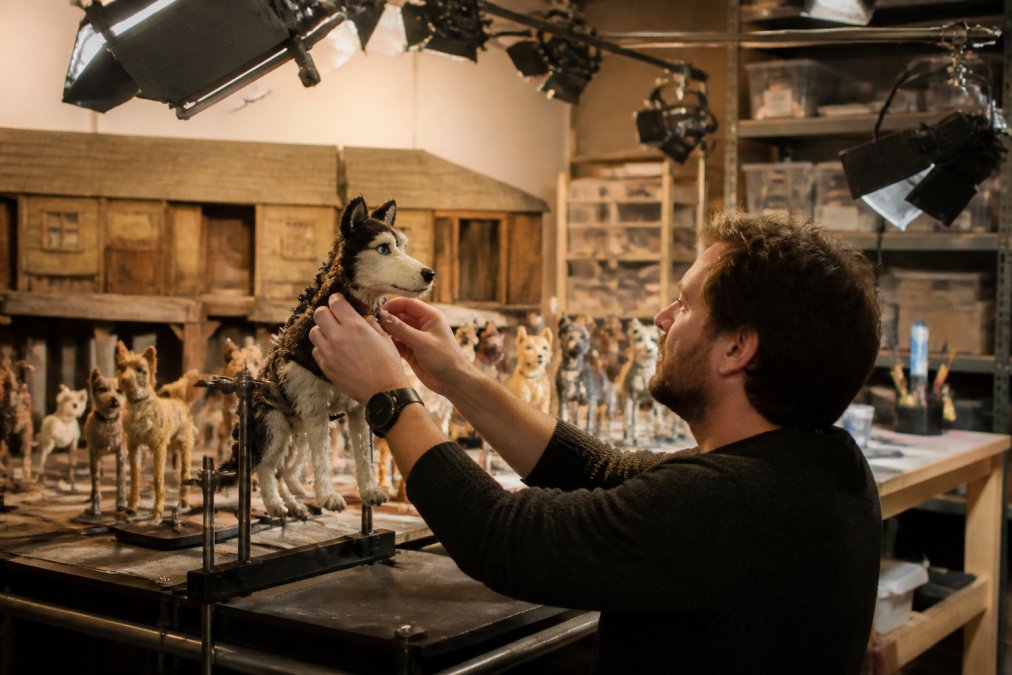
Isle of Dogs uses 12 frames per second in certain sequences, creating slightly jerky quality enhancing the film's aesthetic. This choice becomes deliberate artistic decision. Reduced frame rate makes movement feel more deliberate, more constructed, reinforcing formal precision.
Puppet construction varies significantly. Some films use replacement animation, where different sculpted heads or body parts replace each other between frames. Others use puppets with sophisticated internal armatures allowing continuous movement. Isle of Dogs employs both techniques depending on narrative needs.
Lighting carries particular weight in stop-motion. Because each frame is photographed individually, lighting must remain consistent across thousands of frames. This consistency creates visual coherence allowing movement to read clearly. However, filmmakers also use lighting variation to create mood and emotional progression.
Color work requires careful planning. Sets and puppets are constructed in specific colors chosen to work within the film's overall palette. Isle of Dogs uses restrained color scheme, earth tones, grays, specific accent colors, creating visual harmony while allowing individual elements to stand out.
Post-production involves digital compositing, color correction, and effects work. However, the foundation remains photographed frames. This combination of practical and digital work allows filmmakers to achieve effects impossible with either technique alone.
Understanding these technical foundations matters for appreciating what these films accomplish. Stop-motion's constraints, time required, physical precision necessary, irreversibility of choices, create different creative processes than CGI or live-action, often producing distinctive aesthetic results.
Finding your next stop-motion favorite means understanding what specifically drew you to Isle of Dogs. Was it formal precision? Political allegory? Character animation? Cultural references? The answer determines which alternatives will resonate most powerfully. The films above offer rich territory for exploration, each representing different approaches to what stop-motion can express. Start with the film addressing your particular interests, then expand from there.
| Film | Primary Strength | Best For | Visual Approach |
|---|---|---|---|
| Fantastic Mr. Fox | Satirical narrative & character depth | Anderson fans seeking formal precision | Symmetrical composition, warm color palette |
| Kubo and the Two Strings | Cultural mythology & visual spectacle | Viewers wanting thematic sophistication | Fluid movement, Japanese aesthetic influence |
| Coraline | Horror & unsettling atmosphere | Audiences comfortable with darkness | Tactile texture, warm-then-wrong aesthetic |
| The Boxtrolls | Social allegory & charm | Viewers appreciating class commentary | Textured design, industrial/cozy contrast |
| ParaNorman | Emotional authenticity & character | Audiences seeking heart with horror | Awkward physicality, sophisticated color work |
| Anomalisa | Experimental form & adult themes | Viewers wanting formal innovation | Imperfect texture, repetition as meaning |
| A Ghost Story | Philosophical depth & minimalism | Audiences seeking existential exploration | Minimal animation, dreamlike quality |
Frequently Asked Questions
What makes films like Isle of Dogs appealing to adult audiences?
Films like Isle of Dogs combine sophisticated visual design, political allegory, and thematic depth that appeal beyond children's entertainment. The stop-motion aesthetic creates a tactile, handcrafted quality that feels intimate. These films often weave satirical commentary, complex narratives, and emotional nuance into their storytelling. The dystopian or fantastical settings allow filmmakers to explore isolation, loyalty, and societal structures through metaphor, giving adult viewers layers of meaning to unpack alongside the visual artistry.
Are there other Wes Anderson films with a similar aesthetic to Isle of Dogs?
Yes. Fantastic Mr. Fox shares Anderson's signature symmetrical framing, pastel color palettes, and deadpan humor, but uses stop-motion instead of live-action. Both films feature ensemble casts, meticulous production design, and satirical takes on their source material. If you love the visual style and narrative structure of Isle of Dogs, Fantastic Mr. Fox is an essential watch. Anderson's other films like The Grand Budapest Hotel and The French Dispatch share his auteur sensibility, though they use different animation techniques.
What are the best stop-motion movies similar to Isle of Dogs?
Kubo and the Two Strings, Coraline, and Fantastic Mr. Fox are among the finest stop-motion alternatives. Kubo matches Isle of Dogs in visual ambition and cultural depth, drawing from Japanese aesthetics and mythology. Coraline offers darker thematic material with exceptional puppet fabrication. ParaNorman and The Boxtrolls provide character-driven narratives with social commentary. Each uses different frame rates, silkscreen techniques, and production approaches, but all share the handcrafted quality and emotional resonance that define the best of the medium.
Is Isle of Dogs culturally insensitive, and do similar films handle representation better?
Isle of Dogs sparked discussion about its portrayal of Japanese culture and the use of a white protagonist in a Japanese setting. Critics noted that while Anderson drew inspiration from Japanese cinema, Noh theater, and woodcut prints, some felt the film centered Western perspectives. Kubo and the Two Strings, by contrast, was directed by Travis Knight with significant Japanese creative input and cultural consultation. ParaNorman and The Boxtrolls feature more diverse casts. When exploring alternatives, consider how each film approaches cultural context and whose stories are centered in the narrative.
This article was written using GrandRanker