

How Often to Bathe a Dog with Skin Allergies
Table of Contents
- The Short Answer: Bathing Frequency for Allergic Dogs
- Why Regular Baths Help Relieve Allergy Symptoms
- Signs of Environmental Allergies in Dogs
- Choosing the Best Medicated Shampoo for Dogs
- Step-by-Step Bathing Routine for Sensitive Skin
- How to Soothe Itchy Dog Skin Naturally Between Baths
- Post-Bath Care: Drying, Moisturizing, and Barrier Repair
- When to See Your Veterinarian
- Frequently Asked Questions
Last Updated: September 6, 2026
The Short Answer: Bathing Frequency for Allergic Dogs
Most dogs with skin allergies benefit from a bath every 1 to 2 weeks, and during active flare-ups, twice-weekly bathing is often recommended. This frequency isn't arbitrary; it directly targets the root of the problem by removing allergens from the coat before they can trigger a reaction. Bathing your dog twice per week can reduce the major dog allergen (Can f 1) on skin and fur by up to 84%, according to research from HeyAllergy's allergy-smart pet bathing research. For pet parents, this guide from Pets R Smarter breaks down exactly how often to bathe a dog with skin allergies, the best techniques, and how to rebuild a healthy skin barrier afterward.
A common misconception is that frequent bathing dries out a dog's skin. In reality, for an allergic dog, the opposite is true. A consistent grooming routine physically removes pollens, dust, and dander that drive inflammation, while a quality shampoo restores hydration. This is why veterinary guidance has shifted toward frequent, gentle bathing protocols rather than infrequent, harsh washing, a trend noted by Jax n Daisy's bathing protocol analysis. Below, we'll walk through the exact routine, product selection, and post-bath care that makes this frequency effective.
Why Regular Baths Help Relieve Allergy Symptoms
Regular bathing is one of the most effective non-medical interventions for canine atopic dermatitis because it interrupts the itch-scratch cycle. When a dog is allergic, their skin barrier is compromised, allowing environmental allergens like pollen and dust to penetrate and trigger an inflammatory response. Bathing every 3 to 4 days during high-allergen seasons physically washes these triggers off the skin and hair shaft before they cause a reaction.
The science is clear on this. A study published in PubMed's study on dog allergen levels found that washing reduces recoverable allergen from dog hair and dander, but the reduction is only maintained if the dog is washed at least twice a week. Bathing less than once per week provides minimal reduction in allergen levels. This makes the bath a proactive treatment, not just a hygiene routine. It is the physical removal of the allergen that provides relief, which is why veterinary guidance now emphasizes this approach for managing allergic skin disease.
Signs of Environmental Allergies in Dogs
Recognizing the signs of environmental allergies is the first step in determining if your dog needs a more frequent bathing schedule. Unlike food allergies, which often cause digestive upset, environmental allergies typically manifest on the skin. The most common clinical signs include pruritus (itching), erythema (redness), and recurrent hot spots or skin infections.
If your dog is constantly licking their paws, rubbing their face on the carpet, or developing a musty odor, environmental allergens are likely the culprit. You may also notice:
- Hair loss or thinning, particularly on the flanks and belly
- Recurrent ear infections or head shaking
- Red, inflamed skin between the toes
- Dandruff or a greasy coat despite regular brushing
If these symptoms appear seasonally, or worsen during specific flare seasons, environmental allergies are the primary suspect. This is distinct from food allergies, which require a dietary trial to diagnose. When you see these signs, increasing the frequency of how often to bathe a dog with skin allergies becomes a first-line defense that offers itch relief and prevents secondary skin infections.
Choosing the Best Medicated Shampoo for Dogs
Selecting the right shampoo is as critical as the frequency of bathing. The best medicated shampoo for dogs with allergies isn't a single product; it's a strategic choice based on the dominant clinical sign: is the primary problem itching, bacterial infection, or yeast overgrowth? Using the wrong product can delay relief or worsen the condition.
For Itching and Inflammation (The First-Line Defense)
If your dog's main issue is pruritus without obvious pustules or a strong odor, start with a shampoo formulated for sensitive skin. Look for formulas containing 1% colloidal oatmeal or 2% phytosphingosine. Colloidal oatmeal is a proven anti-inflammatory that physically stabilizes the skin barrier and binds to irritants. Phytosphingosine is a lipid naturally found in the skin that helps repair the defective barrier common in atopic dogs. These shampoos are safe for weekly use and provide immediate, though temporary, relief by cooling the skin and reducing the urge to scratch.
For Bacterial Infections (Folliculitis, Pyoderma)
When you see red bumps, pustules, or crusty lesions, a bacterial infection is likely present. In this case, an oatmeal shampoo is insufficient. The standard of care is a shampoo containing 2% to 4% chlorhexidine gluconate, often paired with 2% miconazole or 1% ketoconazole for broader coverage. Chlorhexidine is a potent antibacterial that is effective against Staphylococcus pseudintermedius, the most common bacterial culprit in canine pyoderma. These shampoos require a strict 10-minute contact time to penetrate the hair follicles and kill bacteria; a quick rinse renders them nearly useless. Use these products only as directed by your veterinarian, as overuse can disrupt the skin's normal flora.
For Yeast Overgrowth (Malassezia Dermatitis)
A distinct musty, corn-chip odor, along with greasy skin and excessive licking of the paws, points to Malassezia yeast. This requires an antifungal approach. Shampoos containing 2% ketoconazole, 1% climbazole, or 2% miconazole are the most effective choices. Ketoconazole works by inhibiting ergosterol synthesis in the yeast cell membrane, leading to cell death. Similar to antibacterial shampoos, the contact time is non-negotiable: the lather must remain on the skin for a full 10 minutes to allow the active ingredient to penetrate the yeast's protective biofilm.
The Decision-Making Framework
A practical approach used by veterinary dermatologists is to rotate products. For example, you might use a chlorhexidine shampoo twice a week to control bacteria, and on the third weekly bath, use an oatmeal-based shampoo to soothe the skin and restore moisture. This prevents the skin from becoming overly dry from the more potent antimicrobial agents. Always select a shampoo with a pH balanced for dogs (typically 5.5 to 7.5), as human shampoos are more acidic and will disrupt the canine acid mantle, leaving the skin vulnerable to secondary infections. If you are unsure which category your dog falls into, a skin cytology performed by your vet, which involves pressing a piece of tape to the skin and examining it under a microscope, can definitively identify bacteria or yeast, guiding your shampoo choice.
Step-by-Step Bathing Routine for Sensitive Skin
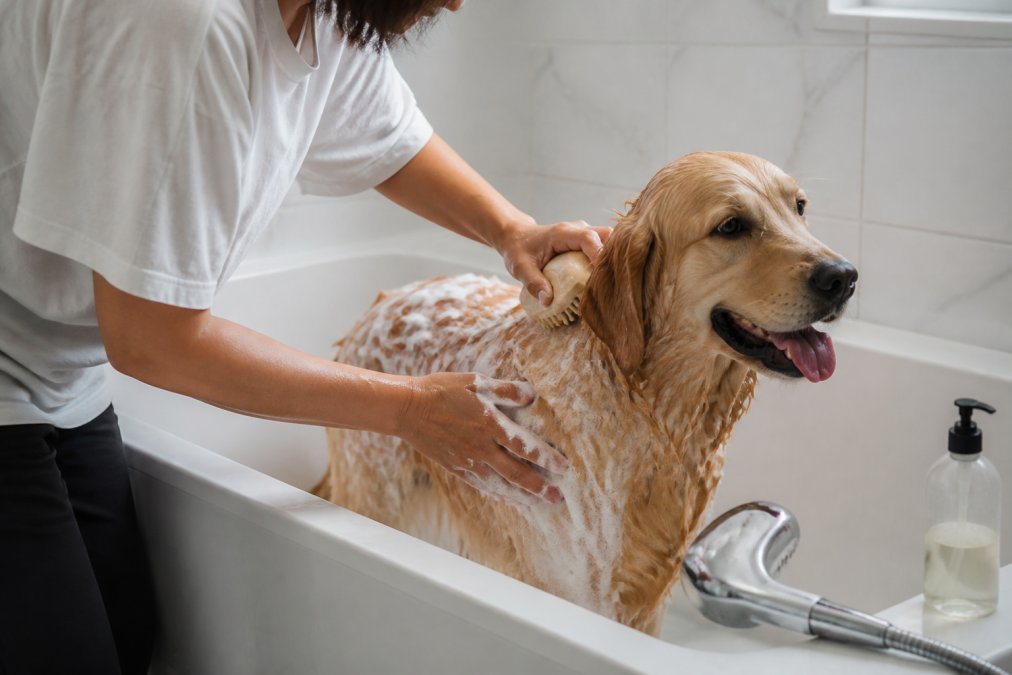
A proper bath for an allergic dog involves more than just wetting the coat and applying soap. Here is the routine we recommend to maximize allergen removal and minimize skin irritation:
- Brush first: Remove loose fur and debris before the bath to prevent matting and improve shampoo penetration.
- Use lukewarm water: Hot water strips essential oils and aggravates inflamed skin. Lukewarm water is comfortable and effective for rinsing away allergens.
- Lather thoroughly: Apply the shampoo and work it into a rich lather down to the skin level. A rubber bath brush, like the Bodhi Dog Shampoo Brush, helps lift dirt and distribute the product evenly without scratching sensitive skin.
- Respect the contact time: Let the lather sit for 5 to 10 minutes. This is essential for the active ingredients in the best medicated shampoo for dogs to neutralize allergens and treat the skin.
- Rinse thoroughly: Leftover shampoo residue is a major cause of irritation. Rinse until the water runs completely clear, paying extra attention to the armpits and groin area.
How to Soothe Itchy Dog Skin Naturally Between Baths
Between baths, you can support your dog's comfort with natural, non-invasive methods. While a bath removes allergens, daily management prevents the itch from returning. One of the simplest methods is using a damp, cool cloth to wipe down your dog's paws and belly after they come inside, which removes pollen and dust before they are absorbed through the skin.
For targeted relief, Earth Rated Dog Wipes for Paws & Butt offer a convenient way to decontaminate high-contact areas without a full bath. Adding omega-3 fatty acids to their diet can also help reduce inflammation from the inside out, and a supplement like the Zesty Paws Dog Multivitamin supports skin and coat health. These methods help maintain the allergen load between washes, keeping your dog comfortable without over-bathing.
Post-Bath Care: Drying, Moisturizing, and Barrier Repair
What you do after the bath determines how long the relief lasts. The goal is to dry the coat quickly to prevent moisture buildup, which can lead to yeast overgrowth, while locking in hydration to support the skin barrier. For most dogs, a thorough towel dry is the safest method, but for thick or double-coated breeds, a blow dryer on a low, cool setting is necessary to reach the undercoat.
This phase is where many owners see a regression in their dog's skin health. If the skin is left damp or the coat is stripped of moisture, the dog will scratch more. Applying a post-bath moisturizer or a leave-in conditioner with ceramides and fatty acids helps repair the damaged skin barrier. A gentle product like the Gentle Pet Skin Care Liquid can be applied to soothe and nourish the skin, reducing the urge to scratch and improving overall skin hydration.
When to See Your Veterinarian
While regular bathing is a powerful tool, it is not a substitute for professional medical care. If your dog's itching persists despite twice-weekly bathing with a veterinary-recommended shampoo, or if you notice open sores, severe hair loss, or signs of a secondary skin infection, it is time to consult your veterinarian. Your vet can prescribe systemic allergy treatments, such as oral medications or allergy shots, to address the underlying immune response.
The Critical Integration: How Bathing Complements Systemic Medications
This is the point where most online advice stops, but it's where a successful management plan truly begins. Bathing is not an alternative to medications like Apoquel (oclacitinib) or Cytopoint (lokivetmab); it is a synergistic partner. Apoquel works by inhibiting JAK enzymes to block itch signals at the cellular level, while Cytopoint uses monoclonal antibodies to neutralize the itch-inducing cytokine IL-31. These drugs are highly effective, but they do not remove the allergens from the skin surface. That is the bath's job.
A common pattern in veterinary practice is that a dog on Apoquel may still experience breakthrough itching during peak pollen season. In this scenario, increasing bath frequency to twice weekly is often the first recommendation before increasing the drug dose. By physically removing the allergen load, you reduce the inflammatory stimulus, which means the medication has less work to do. This can allow your vet to maintain your dog on the lowest effective dose of Apoquel, reducing long-term cost and potential side effects.
For dogs on allergen-specific immunotherapy (allergy shots or sublingual drops), bathing is equally important. Immunotherapy works by gradually desensitizing the immune system, but it takes 6 to 12 months to become fully effective. During this induction phase, frequent bathing is the primary tool to control clinical signs and prevent the dog from developing secondary infections that can derail the immunotherapy's progress.
The Medical Bathing Protocol
When your vet prescribes a systemic treatment, ask them to write a formal bathing protocol. This should specify:
- Exact frequency: "Twice weekly for the first two weeks, then once weekly for maintenance."
- Shampoo rotation schedule: Which product on which day (e.g., chlorhexidine on Monday, oatmeal on Thursday).
- Reassessment timeline: A follow-up appointment in 4 to 6 weeks to evaluate response and adjust the protocol.
This approach transforms the bath from a home remedy into a prescribed medical intervention. If your dog is already on a systemic medication and you are bathing frequently without improvement, the issue may not be frequency but technique or product choice. A veterinary dermatologist can perform a skin scrape or cytology to rule out resistant infections or parasites like Demodex mites, which require entirely different treatments.
Frequently Asked Questions
Will bathing my dog too often make their skin allergies worse?
Bathing too often with a harsh shampoo can strip natural oils and worsen dryness. However, bathing every 3 to 4 days with a gentle, veterinary-recommended shampoo is safe for most allergic dogs. The key is using a pH-balanced formula and following up with a moisturizer to support the skin barrier. If you notice increased flaking or redness, talk to your vet about adjusting the frequency.
What is the best thing to wash a dog with skin allergies?
The best choice is a veterinary-recommended, hypoallergenic shampoo designed for sensitive skin. Look for formulas with soothing agents like oatmeal or ceramides that help restore the skin barrier. Avoid human shampoos, as they have the wrong pH balance for dogs. For active flare-ups, your vet may prescribe a medicated shampoo with ingredients that target yeast overgrowth or secondary skin infections.
Should I use warm or cool water when bathing an allergic dog?
Use lukewarm water, around 90 to 95 degrees Fahrenheit. Hot water can strip natural oils and further irritate already sensitive skin, while cold water won't effectively clean or rinse away allergens. Lukewarm water helps medicated shampoos lather properly and keeps your dog comfortable during the bath, which makes the whole process less stressful for both of you.
How long should medicated shampoo sit on a dog's skin?
Most medicated shampoos need at least 10 minutes of contact time to work effectively. Work the lather into the coat and skin, then set a timer. A shorter 5-minute bath still provides some benefit and is better than skipping it entirely. Always read the label instructions on your specific product, and be sure to rinse thoroughly to prevent residue from causing further irritation.