

How to Choose Safe Dog Shampoo: A 2026 Guide
Table of Contents
- Why Choosing the Right Dog Shampoo Matters
- Understanding Your Dog's Skin and Coat Type
- Ingredients to Avoid in Dog Shampoo
- Dog Shampoo for Sensitive Skin
- How Often to Bathe a Dog
- Decoding Labels and Verifying Safety Claims
- Proper Bathing Technique and Post-Bath Care
- Conclusion
Last Updated: August 22, 2026
Why Choosing the Right Dog Shampoo Matters
Your dog's skin isn't like yours. While human skin maintains a pH around 5.5, your dog's skin is naturally more neutral, sitting between 6.5 and 7.5. This fundamental difference means choosing a safe dog shampoo protects your pet's health. At Pets R Smarter, we provide transparency, science-backed formulations, and products that deliver results without hidden risks.
According to Nova One Advisor's 2023 market analysis, the U.S. pet grooming products market reached $5.35 billion in 2023 and is projected to grow to $9.23 billion by 2033. Yet nearly 65% of pet owners prefer natural ingredients and skin-friendly formulations, while "natural" and "organic" remain completely unregulated for pet products. Manufacturers can slap these labels on products containing harmful synthetics, greenwashing that makes products sound safer than they actually are.
This guide shows you how to evaluate dog shampoos beyond marketing, decode ingredient labels, and identify formulations that protect your dog's skin barrier. More than 72% of pet owners purchase specialized grooming products, but you need the right framework to cut through the noise.
Understanding Your Dog's Skin and Coat Type
Your dog's skin is a living ecosystem. The epidermis is thinner and more delicate than human skin, making it vulnerable to irritation and infection. The lipid layer, a protective film of natural oils, serves as your dog's first line of defense against bacteria, allergens, and environmental irritants. Wrong shampoo strips this critical barrier, leaving skin compromised.
pH-Balanced Formulas and Skin Barrier Health
A pH-balanced formula is non-negotiable. Dog skin thrives in the 6.5 to 7.5 range, while human shampoos are formulated for acidic skin. Using human shampoo disrupts the skin's pH balance, weakening the lipid layer and creating openings for dermatological problems. Repeated use of the wrong shampoo compounds damage over time.
According to PupGrade's 2026 grooming guide, many pet owners mistakenly believe standard dog shampoo and human products are interchangeable. They're not. pH-balanced dog shampoos preserve the skin barrier while cleansing. A shampoo that's too acidic or alkaline leaves skin tight, dry, or compensating with excessive oil production.
When evaluating a shampoo, look for "pH-balanced" or "pH-neutral" on the label. Better yet, check if the manufacturer lists the actual pH value. Transparency signals that the company understands canine dermatology.
Identifying Coat Type and Grooming Needs
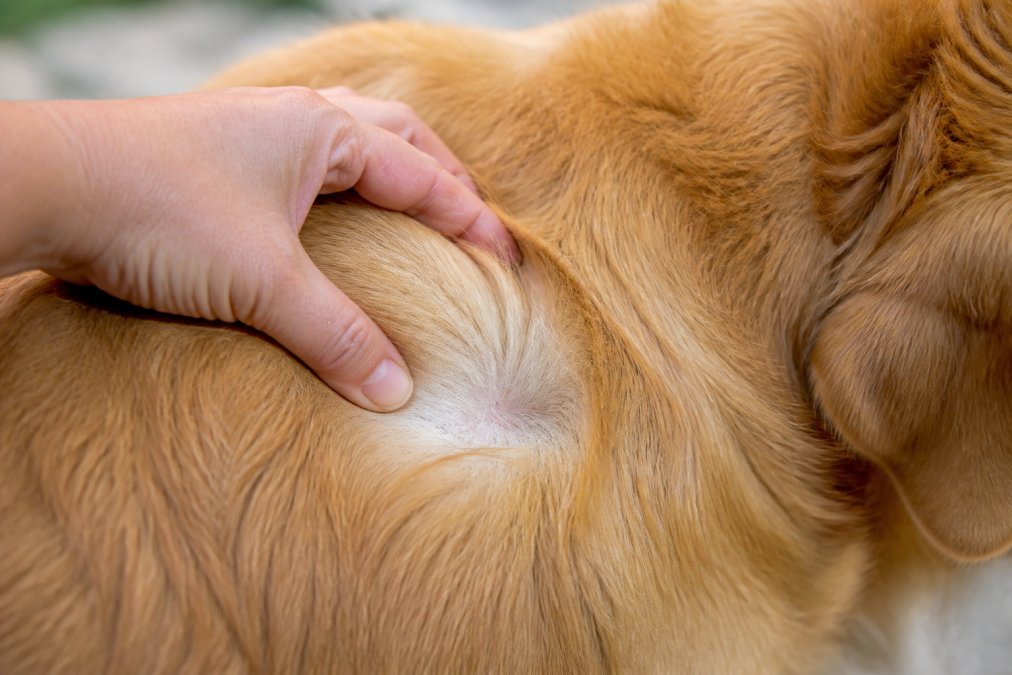
Not all dogs have the same coat. Your Labrador's double coat has entirely different needs than a Poodle's curly coat or a Greyhound's short, fine coat.
Double-coated breeds (Labs, Golden Retrievers, German Shepherds) benefit from shampoos with conditioning properties that help detangle and reduce matting without weighing down the coat. Short-coated breeds need lighter formulations that cleanse without excess conditioning. Curly or wiry coats (Poodles, Terriers) require moisturizing shampoos because their coat structure makes natural oils harder to distribute evenly.
Before you buy, identify your dog's coat type and check the shampoo's label for matching language. A conditioning shampoo for curly coats might cause buildup on short-haired dogs, while a clarifying shampoo could leave curly coats dry and prone to breakage.
Ingredients to Avoid in Dog Shampoo
Sulfates, Parabens, and Phthalates
Sulfates are surfactants that create lather and lift dirt. The problem is how aggressively they clean. Research from 4-Legger's 2026 analysis of dog shampoo formulations found that high-sudsing shampoos often rely on strong sulfate systems that aggressively strip natural oils, disrupt the skin barrier, and slow microbiome recovery. For dogs with sensitive skin, this creates a cycle: shampoo strips oils, skin overcompensates by producing more oil, and you bathe more frequently, which strips oils again.
Look for "sulfate-free" on the label. Common sulfates to avoid include sodium lauryl sulfate (SLS) and sodium laureth sulfate (SLES).
Parabens are preservatives that prevent bacterial and fungal growth. The concern: parabens mimic estrogen in the body, and some research suggests they may disrupt endocrine function with repeated exposure. Choose "paraben-free" formulations when possible, especially for puppies.
Phthalates are plasticizers hidden in the ingredient "fragrance" on labels. Manufacturers aren't required to list them separately because they're considered trade secrets. These compounds can disrupt hormonal function. A shampoo labeled "fragrance" without specifying the source is a red flag. Better options: "essential oil fragrance," "natural fragrance," or "unscented."
Artificial Fragrances and Synthetic Dyes
Dogs have 300 million olfactory receptors compared to your 6 million. Artificial fragrances can be overwhelming or irritating to your dog. Synthetic dyes serve no functional purpose, they're purely aesthetic. Dyes can irritate sensitive skin and add unnecessary chemical exposure. A quality shampoo should be clear, white, or naturally colored. If it's bright blue or neon green, you're looking at synthetic dyes.
The distinction between "unscented" and "fragrance-free" matters. Unscented products may still contain masking fragrances. Fragrance-free means no added fragrance at all. For sensitive skin, fragrance-free is safest.
Dog Shampoo for Sensitive Skin
Nearly 65% of pet owners prioritize products with natural ingredients and skin-friendly formulations. Sensitive skin means the skin barrier is compromised, the microbiome is imbalanced, or the dog reacts strongly to common irritants.
Soothing Ingredients and Hypoallergenic Options
The "Big Three" soothing ingredients have published safety data and real anti-inflammatory properties: oatmeal, aloe vera, and chamomile.
Oatmeal (colloidal oatmeal, finely ground) contains beta-glucans and avenanthramides with documented anti-inflammatory and skin-soothing properties.
Aloe vera is a natural humectant that draws moisture into the skin. It also contains polysaccharides that support skin barrier repair.
Chamomile has mild antimicrobial and calming properties, making it suitable for very sensitive skin.
A hypoallergenic shampoo minimizes common allergens: no artificial fragrances or dyes, no sulfates or parabens, limited ingredient list, and often includes one or more of the Big Three soothing ingredients. The term "hypoallergenic" isn't regulated, so read the full ingredient list and look for the absence of known irritants alongside soothing ingredients.
Recognizing Signs of Allergic Reactions to Shampoo
Shampoo allergies are an overactive immune reaction to a protein the dog's body perceives as a threat. These reactions usually occur rapidly after exposure and intensify with repeated applications.
Watch for: excessive itching within hours of bathing, red inflamed skin or hives, swelling of the face, ears, or paws, ear infections, hair loss from scratching, or dry flaky skin that worsens.
If you notice these, stop using the shampoo immediately and bathe your dog with plain lukewarm water. If symptoms persist beyond 24 hours, contact your veterinarian.
When switching shampoos, introduce gradually. Use it for one bath, then wait 48 hours before using again. This allows you to identify reactions clearly.
How Often to Bathe a Dog
Most people bathe their dogs too frequently, stripping the skin barrier and creating the very problems they're trying to prevent.
General guideline: bathe your dog every 4 to 12 weeks, depending on coat type, activity level, and skin condition. A dog with healthy skin might only need bathing every 8 to 12 weeks. A dog with oily skin, frequent outdoor activity, or a skin condition might need bathing every 4 to 6 weeks.
Puppies have even more delicate skin. Bathe puppies no more than once every 4 to 6 weeks with a gentle, puppy-specific shampoo. Their skin barrier is still developing.
Dogs with sensitive skin or active dermatitis benefit from less frequent bathing. If your dog has a skin condition, ask your veterinarian about bathing frequency.
Between baths, use a dry shampoo or waterless cleanser to manage odors and light dirt without disrupting the skin barrier.
Decoding Labels and Verifying Safety Claims
Marketing language on pet product labels is intentionally vague. "Natural," "gentle," "premium," and "veterinary-approved" sound reassuring but mean almost nothing without regulatory backing.
What 'Natural' and 'Organic' Actually Mean
The terms "natural" and "organic" are not legally regulated for pet products in the United States. Manufacturers can use these terms even if the product contains significant synthetic chemicals. This is greenwashing.
A shampoo labeled "99.7% Natural" might still contain 15% synthetic chemicals. A class action lawsuit against Burt's Bees alleged exactly this, claiming their "natural" dog shampoos were falsely advertised despite containing harmful synthetics.
Don't rely on "natural" or "organic" labels alone. Read the ingredient list. Ingredients are listed by weight in descending order. The first five ingredients are what you're really buying. Look for recognizable plant-based ingredients (oatmeal, aloe, coconut oil, chamomile) rather than chemical names you can't pronounce.
EWG Verified and Veterinary Approval Standards
The Environmental Working Group (EWG) launched its first-ever pet grooming category for EWG Verified® in August 2025, setting a new standard for health, ingredient transparency, and environmental safety. This certification means the product has been independently verified to be free from sulfates, parabens, synthetic fragrances, and synthetic dyes.
"Veterinary-approved" is vaguer. It might mean a veterinarian consulted on the formula or simply didn't object to it. Look for shampoos that cite published veterinary research or carry certifications from veterinary dermatology organizations. Ask your own veterinarian which brands they recommend for your dog's specific skin condition.
Proper Bathing Technique and Post-Bath Care
Even with the safest shampoo, improper bathing technique can damage the skin barrier.
Step-by-Step Bathing Process
Step 1: Prepare the environment (5 minutes) Gather everything before you start: shampoo, conditioner, towels, a non-slip mat. Use lukewarm water, not hot. Hot water opens pores and increases irritation.
Step 2: Brush thoroughly (5-10 minutes) Bathe your dog only after brushing out mats and tangles. Water and shampoo can lock mats tighter.
Step 3: Wet the coat (3-5 minutes) Start at the neck and work backward. Avoid spraying directly into ears or eyes.
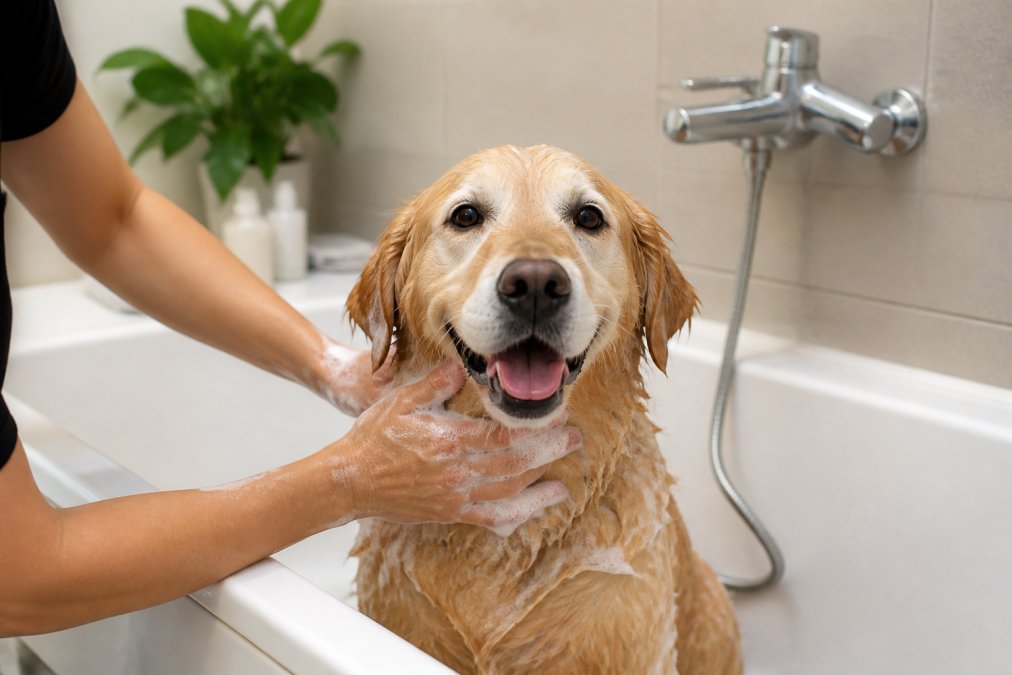
Step 4: Apply shampoo (5 minutes) Dilute the shampoo with water (1 part shampoo to 3 parts water). Pour onto the coat and massage gently with your fingertips. Work from the neck backward, paying special attention to underarms, belly, and between paws.
Step 5: Rinse thoroughly (5-10 minutes) Incomplete rinsing is one of the biggest mistakes. Shampoo residue causes irritation, itching, and flaking. Rinse until water runs completely clear.
Step 6: Apply conditioner (3-5 minutes) If using conditioner, apply to the coat (not scalp) and let sit for 1-2 minutes before rinsing.
Step 7: Final rinse (3-5 minutes) Rinse conditioner completely. Any residue leaves the coat dull and prone to matting.
Your dog's coat should feel soft, not squeaky. If you see redness or your dog is scratching immediately after bathing, you may have left shampoo residue or used water that was too hot.
Maintaining the Skin Barrier After Bathing
Bathing temporarily disrupts the skin barrier. Recovery takes 24 to 48 hours. During this window, skin is more vulnerable to irritants and infection.
Dry carefully. Pat your dog dry with a soft towel rather than rubbing vigorously. For long coats, use a low-heat blow dryer on the coolest setting, keeping it moving. Never use high heat.
Skip baths for 48 hours. Don't bathe again for at least two days. Use a waterless cleanser or dry shampoo if your dog gets muddy.
Avoid swimming. Chlorinated pools and natural water introduce additional irritants. Wait at least 48 hours before allowing swimming.
Consider a skin-barrier support product. Products containing ceramides, fatty acids, and humectants can accelerate skin barrier repair, especially for sensitive skin. Apply 24 hours after bathing.
Monitor for irritation. Mild redness immediately after bathing is normal and should fade within hours. Persistent redness, swelling, or itching suggests a reaction or underlying skin condition worth discussing with your vet.
Choosing a safe dog shampoo requires moving beyond marketing claims to understand your dog's unique skin needs. The right shampoo, one that's pH-balanced, free from harsh surfactants and synthetic irritants, and formulated with skin-supporting ingredients, makes a measurable difference in your dog's comfort and health. At Pets R Smarter, we've curated a selection of grooming products that meet these exacting standards, each chosen for its commitment to dermatological health and ingredient transparency. Explore our premium collection and discover formulations backed by veterinary science and real customer results, because your dog's skin barrier deserves nothing less than the best.
| Consideration | What to Look For | Why It Matters |
|---|---|---|
| pH Balance | 6.5-7.5 range or labeled "pH-balanced" | Protects skin barrier and prevents irritation |
| Ingredients to Avoid | No sulfates, parabens, phthalates, synthetic dyes | These strip natural oils and cause long-term damage |
| Coat Type Match | Conditioning for curly/double coats; lighter for short coats | Prevents buildup or excessive dryness |
| Soothing Ingredients | Oatmeal, aloe vera, or chamomile | Reduces redness and supports sensitive skin |
| Third-Party Verification | EWG Verified or veterinary dermatology endorsement | Confirms ingredient safety through independent testing |
| Bathing Frequency | Every 4-12 weeks depending on coat and activity | Over-bathing damages the skin barrier |
=== FAQ ANSWERS (audit these too, same rules) ===
[1] Q: What ingredients should be avoided in dog shampoo? A: Avoid sulfates, parabens, phthalates, artificial fragrances, and synthetic dyes. These can strip natural oils, disrupt the skin barrier, and trigger allergic reactions. Many high-sudsing shampoos rely on strong surfactant systems that aggressively remove sebum, leading to dryness and slower microbiome recovery. Look for sulfate-free, paraben-free formulas with botanical extracts instead. The EWG Verified program certifies products free from these harmful chemicals, making it a reliable safety standard.
[2] Q: How do I know if my dog has a skin allergy to shampoo? A: Signs of allergic dermatitis include excessive scratching, redness, swelling, hair loss, and ear infections that appear or worsen within hours to days of shampooing. Shampoo allergies are overactive immune reactions to proteins the body perceives as threats. Symptoms typically intensify with repeated applications. If you notice these signs, switch to a hypoallergenic, soap-free formula with soothing ingredients like oatmeal and aloe vera. Consult your veterinarian to rule out other skin conditions and confirm the shampoo is the culprit.
[3] Q: Why is pH-balanced shampoo important for dogs? A: Dog skin has a pH of 6.5 to 7.5, while human skin is around 5.5. Using human shampoo or non-pH-balanced dog shampoo disrupts the skin barrier and lipid layer, causing irritation, dryness, and increased vulnerability to infections. A pH-balanced formula maintains the epidermis integrity and supports the natural microbiome, preventing dermatological issues. This is especially critical for puppies and dogs with sensitive skin, where barrier function is more delicate.
[4] Q: What's the difference between 'natural' and 'organic' dog shampoo labels? A: The terms 'natural' and 'organic' are not legally regulated for pet products in the United States, so manufacturers can use them even if products contain synthetic chemicals. This greenwashing misleads pet owners into believing products are truly safe. A class action lawsuit against Burt's Bees alleged exactly this, claiming their "natural" dog shampoos were falsely advertised despite containing harmful synthetics. The most reliable standard is EWG Verified, launched in August 2025, which certifies products free from sulfates, parabens, synthetic fragrances, and dyes. Always read ingredient lists carefully and look for third-party certifications rather than relying on marketing claims alone.
Frequently Asked Questions
What ingredients should be avoided in dog shampoo?
Avoid sulfates, parabens, phthalates, artificial fragrances, and synthetic dyes. These can strip natural oils, disrupt the skin barrier, and trigger allergic reactions. Many high-sudsing shampoos rely on strong surfactant systems that aggressively remove sebum, leading to dryness and slower microbiome recovery. Look for sulfate-free, paraben-free formulas with botanical extracts instead. The EWG Verified program certifies products free from these harmful chemicals, making it a reliable safety standard.
How do I know if my dog has a skin allergy to shampoo?
Signs of allergic dermatitis include excessive scratching, redness, swelling, hair loss, and ear infections that appear or worsen within hours to days of shampooing. Shampoo allergies are overactive immune reactions to proteins the body perceives as threats. Symptoms typically intensify with repeated applications. If you notice these signs, switch to a hypoallergenic, soap-free formula with soothing ingredients like oatmeal and aloe vera. Consult your veterinarian to rule out other skin conditions and confirm the shampoo is the culprit.
Why is pH-balanced shampoo important for dogs?
Dog skin has a pH of 6.5 to 7.5, while human skin is around 5.5. Using human shampoo or non-pH-balanced dog shampoo disrupts the skin barrier and lipid layer, causing irritation, dryness, and increased vulnerability to infections. A pH-balanced formula maintains the epidermis integrity and supports the natural microbiome, preventing dermatological issues. This is especially critical for puppies and dogs with sensitive skin, where barrier function is more delicate.
What's the difference between 'natural' and 'organic' dog shampoo labels?
The terms 'natural' and 'organic' are not legally regulated for pet products in the United States, so manufacturers can use them even if products contain synthetic chemicals. This greenwashing misleads pet owners into believing products are truly safe. A class action lawsuit against Burt's Bees alleged exactly this, claiming their "natural" dog shampoos were falsely advertised despite containing harmful synthetics. The most reliable standard is EWG Verified, launched in August 2025, which certifies products free from sulfates, parabens, synthetic fragrances, and dyes. Always read ingredient lists carefully and look for third-party certifications rather than relying on marketing claims alone.
This article was written using GrandRanker