

How to Clean Dog Ears at Home Safely
Table of Contents
- What You'll Need to Clean Dog Ears at Home
- Signs of Dog Ear Infection: When Cleaning Is Necessary
- Step-by-Step Guide to Clean Dog Ears Safely
- How Often to Clean Dog Ears: Frequency Guidelines
- Breed-Specific Ear Care Considerations
- What to Avoid When Cleaning Dog Ears
- When to See a Veterinarian for Ear Issues
- Conclusion
Last Updated: August 29, 2026
What You'll Need to Clean Dog Ears at Home
A quality dog ear cleaning solution is essential for safe at-home ear care. Look for pH-balanced formulas specifically designed for canine ears. According to Cornell University School of Veterinary Medicine, never use hydrogen peroxide, rubbing alcohol, or vinegar, as these can irritate healthy ear cells or delay healing in inflamed ears.
For wiping and debris removal, have cotton balls or gauze pads ready. Avoid cotton swabs entirely; they risk perforating the eardrum and can push dirt deeper into the ear canal. You'll also want disposable gloves to keep your hands clean and protect against discharge or bacteria.
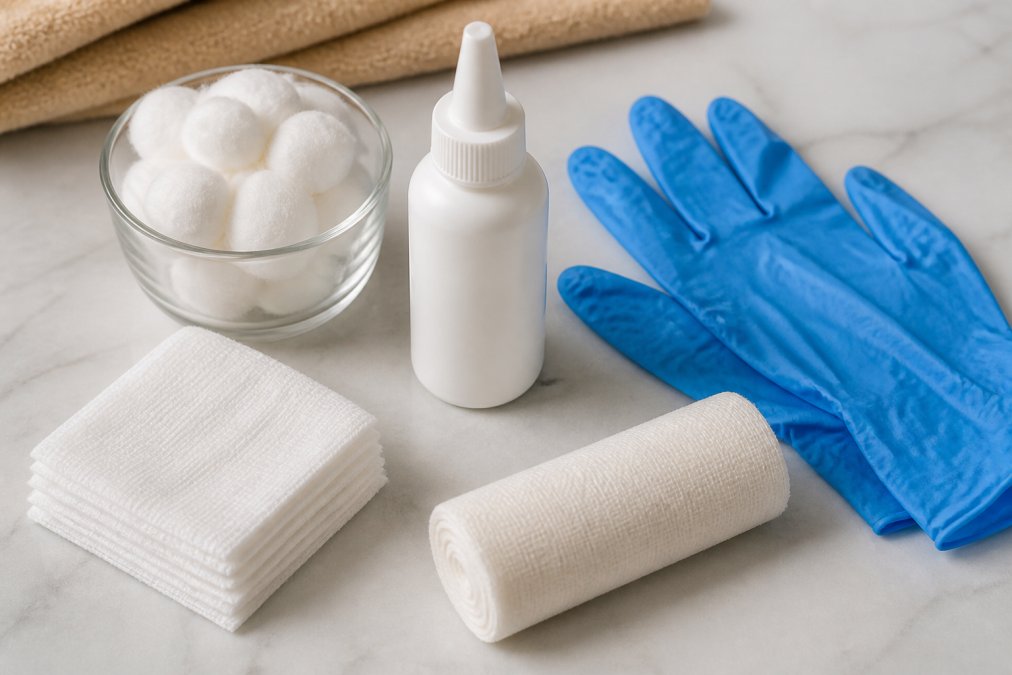
Optional but helpful items include a towel for your dog to sit on, treats for positive reinforcement, and a headlamp for better visibility. At Pets R Smarter, we recommend keeping Disposable PE Gloves in a 100-pack on hand for routine grooming tasks. A second person can also help by gently holding your dog's head steady while you clean, reducing stress and preventing accidental injuries.
Signs of Dog Ear Infection: When Cleaning Is Necessary
Not all dogs need frequent ear cleaning. Over-cleaning can strip protective wax and oils, disrupting the natural microbiome and potentially causing irritation. The key is knowing when cleaning is necessary.
Otitis externa, or ear inflammation, affects up to 1 in 7 dogs seen in veterinary practice at some point in their lives, according to Merck Animal Health. Recognizing the signs early allows you to address problems before they worsen.
Watch for these warning signs:
- Persistent head shaking or scratching at the ears
- Visible discharge (waxy, crusty, or pus-like)
- Foul odor coming from the ear canal
- Redness or inflammation of the pinna (ear flap) or inside the ear
- Excessive cerumen (ear wax buildup)
- Your dog yelping when you touch the ear area
- Behavioral changes like reluctance to have their head touched
If your dog's ears appear healthy with no discharge, odor, or excessive wax, they're likely self-cleaning and best left alone. As veterinary dermatologists at Cornell University advise, if your dog's ears aren't gunky, don't clean them. Routine cleaning of healthy ears can actually cause problems rather than prevent them.
A veterinarian can perform a cytological examination to determine whether bacteria or yeast are present, information that guides treatment decisions.
Step-by-Step Guide to Clean Dog Ears Safely
Safe at-home ear cleaning involves five key steps that prioritize your dog's comfort and ear health. This process typically takes 10-15 minutes.
Step 1: Prepare Your Dog and Gather Supplies
Choose a calm, well-lit environment where you can work comfortably. Have all supplies within arm's reach before you begin. If your dog is anxious about grooming, spend a few minutes letting them sniff the supplies and acclimate to the space. Speak in a calm, reassuring tone throughout; your dog will pick up on your energy.
Step 2: Apply the Best Dog Ear Cleaning Solution
Gently grasp the pinna (ear flap) and lift it to expose the ear canal opening. Pour a small amount of ear cleaning solution directly into the ear canal, about a teaspoon for medium to large dogs, less for small breeds. The solution should feel warm or room temperature, never cold.
Step 3: Massage the Base of the Ear
After applying the solution, gently massage the base of the ear for 30-60 seconds using small circular motions. This critical step helps the solution penetrate deeper into the ear canal to loosen debris and feels soothing to most dogs. You'll often hear a squelching sound as the solution works through the ear, which is normal.
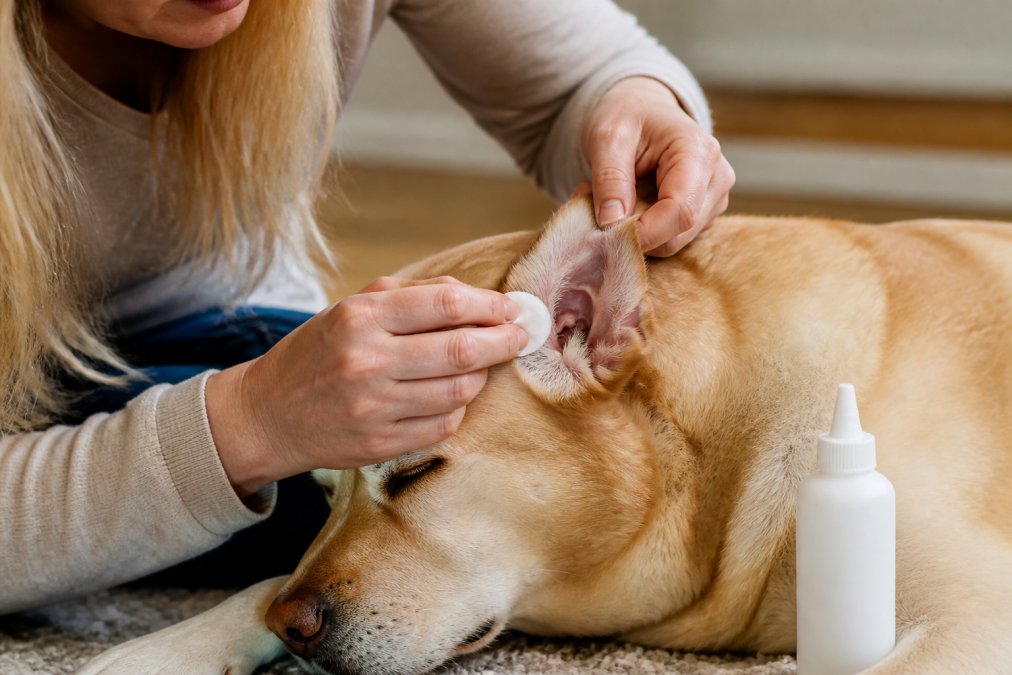
Step 4: Wipe Away Debris and Excess Solution
Use a cotton ball or gauze pad to gently wipe away loosened debris and excess solution, starting at the outer part of the ear canal and working inward. Never insert cotton swabs deeply into the ear. You may need several cotton balls to remove all debris. If the ear appears very dirty, you can repeat steps 2-4 a second time.
Step 5: Reward and Comfort Your Dog
Give your dog immediate praise and a high-value treat. This positive reinforcement creates a strong association between ear cleaning and good things happening. Allow your dog to shake their head freely after cleaning to expel any remaining solution or debris naturally.
How Often to Clean Dog Ears: Frequency Guidelines
The frequency of dog ear cleaning depends on your individual dog's ear health, breed predisposition, and lifestyle. For most healthy dogs with no history of ear infections, routine ear cleaning is unnecessary and can actually disrupt the natural balance.
Dogs that benefit from regular ear cleaning include:
- Dogs with floppy ears (Cocker Spaniels, Basset Hounds, Beagles): Weekly or bi-weekly cleaning helps prevent infections caused by reduced airflow.
- Dogs with hairy ear canals (Poodles, Schnauzers): Regular cleaning combined with occasional hair plucking reduces infection risk.
- Dogs prone to ear infections: Your veterinarian may recommend weekly or bi-weekly cleaning as part of their management plan.
- Dogs with allergies: Allergic dogs often have compromised ear health and may benefit from regular cleaning during allergy season.
- Dogs that swim frequently: Clean ears after swimming to prevent bacterial and yeast growth.
A practical guideline: if your dog shows no signs of ear problems, check their ears monthly. If they're clean and odor-free, leave them alone. If you notice early signs of buildup or odor, clean them once. If your dog has a history of infections, follow your veterinarian's recommended schedule.
Breed-Specific Ear Care Considerations
Certain breeds face higher risks for ear infections due to their genetics and ear structure. Understanding your dog's breed predisposition helps you implement preventive care before problems develop.
Basset Hounds and other long-eared breeds have dramatically increased ear infection risk. According to research from the Royal Veterinary College, Basset Hounds have 5.87 times the risk of otitis externa compared to crossbred dogs. For these breeds, weekly ear inspections and cleaning during warm months is standard preventive care.
Dogs with hairy ear canals, including Poodles, Schnauzers, and Terriers, trap moisture and debris easily. Many groomers recommend plucking excess hair from the ear canal to improve airflow.
Dogs with allergies, regardless of breed, often struggle with ear health. Allergic reactions cause inflammation and increased cerumen production, creating conditions where infections flourish.
Floppy-eared breeds like Cocker Spaniels, Beagles, and Cavalier King Charles Spaniels need regular monitoring. Bi-weekly cleaning during humid months prevents many infections before they start.
Conversely, breeds with upright ears like German Shepherds, Siberian Huskies, and Corgis generally have better natural ear ventilation and lower infection rates. These dogs often need cleaning only if they show specific signs of problems.
What to Avoid When Cleaning Dog Ears
Several common practices can damage your dog's ears or worsen existing problems.
Never use cotton swabs. This is the single most important rule. Cotton swabs risk perforating the eardrum, a serious injury that can cause permanent hearing loss. Swabs also push debris deeper into the ear canal rather than removing it. Stick exclusively to cotton balls or gauze pads.
Avoid household products like hydrogen peroxide, vinegar, or rubbing alcohol. These irritate healthy ear canal cells and can cause burning in inflamed ears. Use only pH-balanced solutions designed for dogs.
Don't force anything into the ear canal. Your fingers or cleaning tools should only access the outer ear. The deeper ear canal is delicate and best left to professional cleaning if deep debris removal is needed.
Never clean a dog's ears if they show signs of a ruptured tympanic membrane (eardrum). Symptoms include sudden hearing loss, severe pain, or discharge with a foul odor. Contact your veterinarian immediately.
Avoid over-cleaning healthy ears. Excessive cleaning strips protective wax and oils and can actually cause infections.
Don't restrain your dog aggressively. Forcing a dog into a grooming position creates fear and resistance. Work with a professional groomer or veterinarian if your dog is extremely anxious.
Skip the ear cleaning if your dog is in pain. If your dog yelps or shows obvious discomfort, stop immediately. This indicates infection or injury requiring veterinary evaluation.
At Pets R Smarter, we recommend Protective Pet Handling Gloves for any at-home grooming task where you need better grip control or protection.
When to See a Veterinarian for Ear Issues
Contact your veterinarian if your dog shows any of these signs:
- Persistent head shaking or ear scratching lasting more than a few days
- Discharge that's thick, discolored, or foul-smelling
- Visible inflammation, swelling, or redness inside the ear
- Your dog yelping or showing pain when the ear is touched
- Sudden onset of hearing loss or balance problems
- Crusting or lesions on the ear flap or inside the ear
- Signs suggesting a ruptured eardrum (severe pain, sudden deafness, bloody discharge)
Ear infections are among the most common reasons dogs visit veterinarians. Early intervention prevents complications and reduces treatment time. Your veterinarian can perform a cytological examination to identify the specific cause of infection, determining whether antibiotics, antifungals, steroids, or a combination approach is needed.
For chronic or recurring ear infections, your veterinarian may recommend long-term management strategies. If your dog has a history of ear infections, establish a relationship with your veterinarian and follow their specific cleaning and treatment recommendations.
Ear health is fundamental to your dog's comfort and quality of life. While routine cleaning isn't necessary for most dogs, knowing how to clean dog ears at home safely ensures you can help when problems arise. The key is understanding your individual dog's needs, recognizing early warning signs, and knowing when professional help is necessary.
Pets R Smarter is committed to making pet care easier with premium grooming supplies backed by professional expertise. Our Gentle Pet Skin Care Liquid offers a pH-balanced formula designed for sensitive ear care, and our Tail Satisfaction Guarantee ensures you're confident in every purchase. Start with the right tools and knowledge, and you'll give your dog the exceptional care they deserve.
Frequently Asked Questions
What is the best dog ear cleaning solution to use at home?
The best dog ear cleaning solution should be pH-balanced and formulated specifically for dogs' sensitive ear canals. Look for solutions containing gentle ingredients like aloe vera or saline, which help dissolve cerumen and debris without irritating the ear canal. Avoid household products like hydrogen peroxide, rubbing alcohol, or vinegar, as these can damage healthy ear tissue and delay healing if infection is present. Always consult your veterinarian for recommendations tailored to your dog's specific needs.
How often should I clean my dog's ears?
Most healthy dogs don't need routine ear cleaning if their ears remain dry and odor-free. However, dogs with floppy ears, those prone to moisture buildup, or breeds with higher infection risk may benefit from weekly or bi-weekly cleaning. The key is monitoring your dog's ears, if they're clean and healthy, leave them alone. Over-cleaning can strip protective wax and oils, disrupt the natural microbiome, and actually increase infection risk. Clean only when you notice visible debris or odor.
What are the signs of a dog ear infection?
Common signs of dog ear infection include head shaking, scratching or pawing at the ears, redness or inflammation inside the ear flap, foul odor, discharge (yellow, brown, or black), and sensitivity when the ear is touched. In some cases, you may notice excessive wax buildup or crusting around the ear canal opening. Otitis externa, the most common ear infection in dogs, affects up to 1 in 7 dogs at some point in their lives. If you notice these symptoms, contact your veterinarian for proper diagnosis and treatment.
Can I use cotton swabs to clean my dog's ears?
Never use cotton swabs (Q-tips) to clean your dog's ears. They risk perforating the eardrum and can push dirt and debris deeper into the ear canal, worsening infection risk. Instead, use cotton balls, gauze pads, or soft cloth to gently wipe the visible portions of the ear flap and canal opening. If your dog has excessive buildup deep in the ear canal, this is a job for your veterinarian, who has proper tools and training to safely access those areas.
This article was written using GrandRanker