

How to Maintain Dog Coat Health: A Complete Guide
Table of Contents
- Why Regular Coat Maintenance Matters for Your Dog's Health
- Understanding Your Dog's Coat Type and Structure
- The Essential Brushing Routine to Maintain Your Dog's Coat
- Best Dog Grooming Tools for Shedding and Coat Care
- How Often to Bathe a Dog and Proper Bathing Techniques
- How Diet Affects Dog Coat Health and What to Feed Your Dog
- Signs of Poor Coat Health in Dogs and When to Seek Help
- Conclusion
Last Updated: August 8, 2026
Why Regular Coat Maintenance Matters for Your Dog's Health
A healthy dog coat reflects overall wellness. The skin beneath the fur is your dog's largest organ, and maintaining coat health directly impacts comfort and quality of life. Regular grooming removes dead hair, distributes natural oils, and allows you to catch skin problems early before they become serious. Dogs with well-maintained coats experience fewer matting incidents, reduced shedding, and better temperature regulation.
At Pets R Smarter, we understand that coat maintenance requires the right tools and knowledge. A single-coated breed needs different care than a double-coated dog, and age, activity level, and health status all influence grooming frequency and intensity.
Understanding Your Dog's Coat Type and Structure
Your dog's coat structure determines everything about maintenance: how often to brush, which tools work best, bathing frequency, and nutritional support needed.
Single-Coated vs. Double-Coated Dogs
Single-coated dogs like Poodles, Maltese, and some terriers have one layer of hair. They shed less and mat less readily but often need regular professional grooming or home clipping to maintain coat length and prevent tangling.
Double-coated dogs like Retrievers, German Shepherds, and Huskies have two distinct layers: a dense undercoat and longer guard hairs. The undercoat provides insulation but sheds heavily and tangles easily, requiring more frequent brushing to prevent mats.
Using the wrong tools or grooming frequency for your dog's coat type can damage hair and irritate skin. A slicker brush works well on double coats but can be too harsh for fine, single-coated hair.
Breed-Specific Maintenance Protocols
Different breeds have evolved with different coat characteristics requiring breed-specific grooming protocols. A Golden Retriever's double coat needs brushing 3-4 times weekly during shedding season. A Shih Tzu's continuously growing single coat needs daily brushing and professional grooming every 6-8 weeks to prevent severe matting.
Curly-coated breeds like Poodles and Doodles require consistent care because their coat texture traps dead hair and moisture, creating an ideal environment for mats and skin issues. Short-coated breeds like Boxers and Beagles need less intensive grooming but still benefit from weekly brushing to remove loose hair and distribute natural oils.
The Essential Brushing Routine to Maintain Your Dog's Coat
Brushing is the cornerstone of coat maintenance. It removes loose hair before it becomes matted, distributes natural oils throughout the coat, and gives you regular opportunities to inspect skin for problems like parasites, dander, or dermatitis.
Removing Loose Hair and Distributing Natural Oils
When you brush, you remove dead hair and move natural oils your dog's skin produces down the hair shaft. These oils protect the coat, reduce dryness, and give fur its natural luster. Start brushing at the skin level, working in sections from the roots outward to remove loose undercoat hair and ensure oils distribute evenly. For double-coated dogs during shedding season, brush daily or every other day. A de-shedding tool designed for undercoats removes far more loose hair than a standard brush, reducing shedding and preventing mats.
Preventing Mats and Tangles Before They Start
Mats form when loose hair tangles with live hair and tightens over time. Once formed, they're painful to remove and can trap moisture against skin, creating an environment for dermatitis and parasites. The key to preventing mats is consistency. A dog brushed every three days rarely develops mats. Pay special attention to high-friction areas: behind the ears, under the armpits, between the back legs, and around the tail.
Best Dog Grooming Tools for Shedding and Coat Care
The right tools make grooming faster, more effective, and more comfortable for your dog. Investing in quality grooming tools designed for your dog's specific coat type is one of the most practical decisions you can make.
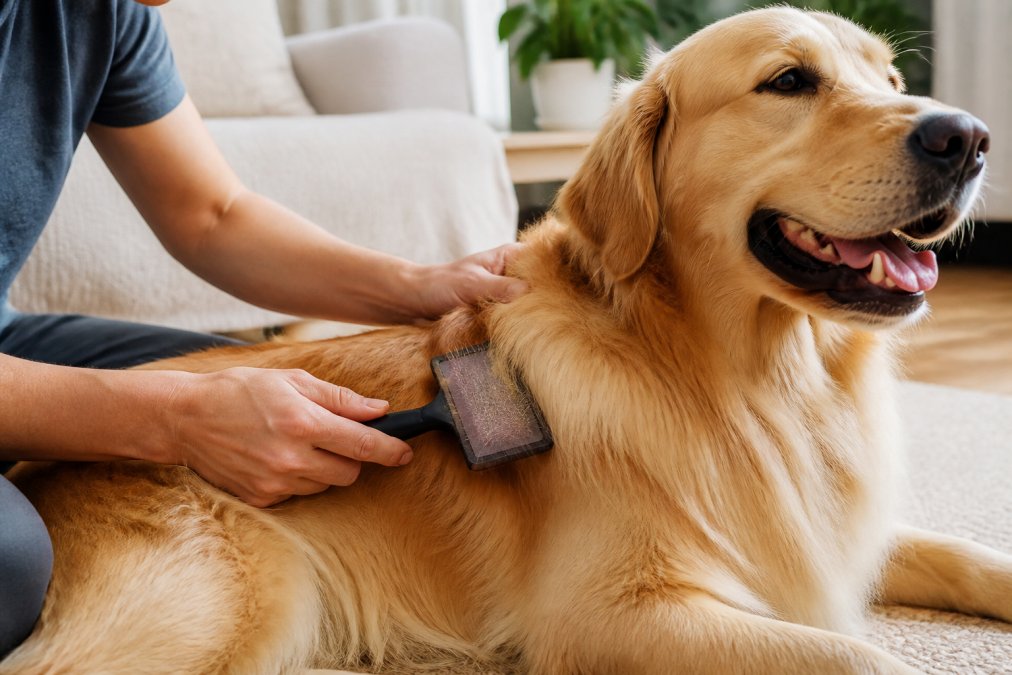
Slicker Brushes and De-Shedding Tools
A slicker brush has short, tightly packed wires on a flat or slightly curved base, designed to reach into the undercoat and remove loose hair without damaging the topcoat. De-shedding tools like the FURminator are specifically engineered to remove loose undercoat hair without cutting the topcoat. During shedding season, they remove dramatically more loose hair than a standard brush.
For single-coated dogs, a wide-tooth comb or pin brush is gentler and works well for detangling without damaging fine hair. Undercoat rakes are designed specifically for double-coated breeds, with longer teeth that penetrate deep into the undercoat without touching the topcoat.
Choosing the Right Tool for Your Dog's Coat Type
For double-coated dogs during shedding season, start with a de-shedding tool to remove bulk loose undercoat, then use a slicker brush to work through remaining tangles and distribute oils.
For single-coated dogs, a pin brush or wide-tooth comb prevents damage to fine hair. Avoid slicker brushes unless your groomer specifically recommends one.
For curly or wavy coats, a slicker brush combined with detangling spray prevents mats that form easily in textured coats.
Pets R Smarter carries grooming tools selected for effectiveness and durability, ensuring you have equipment that works with your dog's coat rather than against it.
How Often to Bathe a Dog and Proper Bathing Techniques
Bathing frequency is often misunderstood. Many owners bathe too frequently, stripping natural oils and causing dry, irritated skin. Others don't bathe often enough, allowing dirt, dander, and parasites to accumulate.
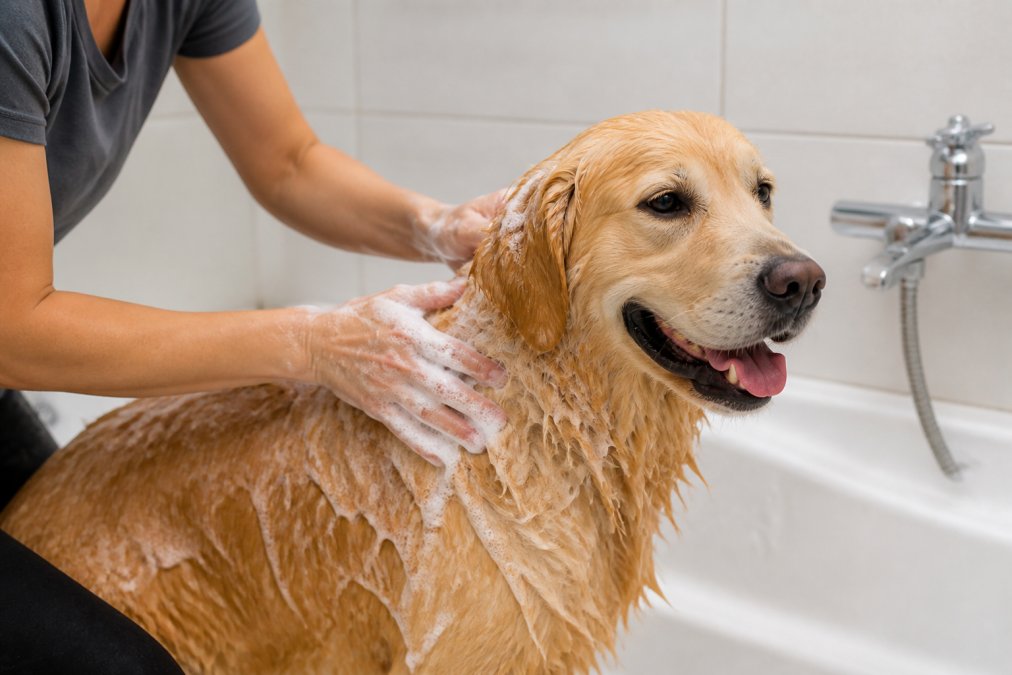
Bathing Frequency by Coat Type and Activity Level
Double-coated dogs typically need bathing every 6-12 weeks. Frequent bathing removes natural oils that protect the undercoat and can lead to dry skin and increased shedding. Single-coated dogs can tolerate bathing every 4-6 weeks without significant oil depletion. Active dogs that spend time outdoors, swim, or play in mud may need bathing every 4-8 weeks. Indoor dogs with minimal outdoor exposure can go 8-12 weeks between baths if brushed regularly.
Observe your individual dog. If the coat looks dull, feels dry, or skin appears flaky, you may be bathing too frequently.
Using pH-Balanced Shampoo to Protect Skin Health
Dog skin has a different pH than human skin. Human skin is acidic (around pH 4.5-5.5), while dog skin is neutral to slightly acidic (around pH 6.2-7.4). Using human shampoo disrupts the skin's natural pH balance, damaging the protective barrier and leading to dryness and irritation.
A pH-balanced dog shampoo is formulated to match your dog's skin pH, protecting the natural barrier and preventing irritation. For dogs with allergies or sensitive skin, hypoallergenic or medicated shampoos recommended by your veterinarian are essential. When bathing, use lukewarm water and work shampoo into a lather by massaging gently into the skin. Rinse completely; any residue can cause itching and irritation.
How Diet Affects Dog Coat Health and What to Feed Your Dog
Coat health reflects overall health, and nutrition is foundational. A dog eating a poor-quality diet will have a dull, brittle coat regardless of grooming effort.
Omega-3 Fatty Acids and Nutritional Supplementation
Omega-3 fatty acids are essential for skin health and coat condition. These fatty acids reduce inflammation, support skin barrier function, and promote coat luster. Dogs cannot synthesize omega-3s, so they must come from diet or supplementation. Quality dog foods include fish oil or other omega-3 sources, but many commercial diets don't contain sufficient amounts for optimal coat health.
Protein quality matters significantly. The coat is made of keratin, a protein structure. High-quality, digestible protein sources support hair growth and coat strength. B vitamins, zinc, and iron all contribute to coat health. Many owners see dramatic improvements in coat condition within 4-6 weeks of switching to higher-quality diet or adding omega-3 supplementation.
Addressing Allergy-Related Coat Issues Through Nutrition
Dogs with food allergies often exhibit coat problems: excessive shedding, dull appearance, itching, and skin inflammation. Common food allergens for dogs are beef, chicken, dairy, wheat, and soy.
If your dog has a dull coat, excessive shedding, or itching that doesn't improve with grooming and pH-balanced shampoo, a food allergy may be the underlying cause. Elimination diets involve feeding a limited ingredient diet for 8-12 weeks to identify problematic foods. Novel protein diets using proteins your dog hasn't been exposed to can help dogs with multiple food sensitivities. These diets, combined with omega-3 supplementation, often improve coat condition significantly.
Signs of Poor Coat Health in Dogs and When to Seek Help
Recognizing early signs of coat and skin problems allows you to address issues before they become serious. Regular grooming gives you frequent opportunities to inspect your dog's skin and coat.
Recognizing Dull Coat, Dander, and Dermatitis Issues
A dull coat lacking luster often indicates nutritional deficiency, poor grooming, or underlying health issues. If regular grooming and improved nutrition don't restore coat shine within 4-6 weeks, consult your veterinarian.
Excessive dander, white, flaky skin visible in the coat or on your furniture, indicates dry skin, poor grooming, or dermatological issues. Increase brushing frequency, ensure you're using pH-balanced shampoo, and consider omega-3 supplementation. If dander persists, it may indicate allergies or fungal infections requiring veterinary treatment.
Dermatitis (skin inflammation) appears as redness, irritation, or raw patches. Mild dermatitis may respond to more frequent grooming with pH-balanced shampoo and omega-3 supplementation. Severe dermatitis, especially if accompanied by odor or discharge, requires veterinary evaluation.
Excessive scratching or licking indicates discomfort and suggests allergies, parasites, or skin infections requiring prompt veterinary attention. Hair loss or bald patches warrant immediate veterinary attention.
Age-Related Coat Changes and Senior Dog Care
As dogs age, coat changes occur naturally. Senior dogs often develop thinner coats, graying hair, and more sensitive skin. Older dogs may have arthritis making grooming uncomfortable. Shorter grooming sessions, gentler handling, and potentially professional grooming help senior dogs stay comfortable while maintaining coat health. Senior dogs often develop dry skin more readily, making omega-3 supplementation even more important. Regular grooming for senior dogs allows you to monitor for skin growths, lumps, or other changes that may require veterinary attention.
Maintaining your dog's coat is one of the most direct ways you can contribute to their health and comfort. The combination of regular brushing, appropriate bathing, quality nutrition, and the right grooming tools creates a foundation for a healthy, beautiful coat at every stage of your dog's life.
Pets R Smarter provides premium grooming tools and supplies specifically selected to make coat maintenance easier and more effective. From slicker brushes designed for undercoat removal to pH-balanced shampoos that protect skin health, our curated selection ensures you have equipment that works with your dog's coat rather than against it. Backed by our Tail Satisfaction Guarantee, you can invest in quality grooming tools with confidence, knowing that every product prioritizes your dog's health and comfort. Start with the right tools, commit to a consistent routine, and watch your dog's coat transform.
| Grooming Task | Frequency | Best Tool | Key Benefit |
|---|---|---|---|
| Undercoat removal | 2-4x weekly during shedding | De-shedding tool | Prevents mats, reduces indoor shedding |
| General brushing | 2-4x weekly | Slicker brush | Distributes oils, removes loose hair |
| Mat prevention | Daily for mat-prone areas | Pin brush or wide-tooth comb | Catches tangles before they form |
| Bathing | Every 6-12 weeks | pH-balanced shampoo | Protects skin barrier, maintains coat health |
| Detangling | As needed | Mat splitter or detangling spray | Addresses tangles before matting occurs |
EXTERNAL SOURCES REFERENCED:
The American Veterinary Medical Association provides guidance on proper pet grooming practices that emphasizes the connection between coat health and overall wellness.
Research from the Morris Animal Foundation on canine skin and coat health demonstrates the significant impact of nutrition on coat condition and skin barrier function.
The American Academy of Veterinary Dermatology offers professional resources on recognizing and addressing dermatological issues in dogs, including breed-specific skin conditions and allergy management.
Frequently Asked Questions
How often should you brush your dog's coat?
Brushing frequency depends on your dog's coat type and shedding level. Dogs with double coats should be brushed 3-4 times per week, while single-coated dogs need brushing 1-2 times weekly. During shedding season, increase brushing to daily to remove loose hair and distribute natural oils throughout the coat. Regular brushing prevents mats, reduces dander, and keeps your dog's coat healthy and lustrous.
Does diet really affect a dog's coat health?
Yes, diet directly impacts coat quality. Foods rich in omega-3 fatty acids, protein, and essential vitamins support healthy skin and a shiny coat. Dogs lacking proper nutrition often develop dull, brittle hair and increased shedding. High-quality dog food with balanced nutrients strengthens hair follicles and reduces dermatological issues. Supplementation with fish oil can also improve coat texture and reduce inflammation in dogs with allergies or sensitive skin.
What does an unhealthy dog coat look like?
Signs of poor coat health include excessive shedding, dull or matted fur, visible dander, flaking skin, and brittle hair that breaks easily. You may also notice redness, odor, or patches of missing hair. These symptoms can indicate nutritional deficiencies, parasites, dermatitis, or allergies. If your dog's coat appears unhealthy despite regular grooming, consult your veterinarian to rule out underlying health conditions or dietary issues.
Are there specific grooming techniques for different dog coat types?
Yes, coat type determines your grooming approach. Double-coated breeds need de-shedding tools and undercoat rakes to remove dead hair without damaging the topcoat. Single-coated dogs benefit from slicker brushes and regular detangling. Long-haired breeds require more frequent brushing to prevent tangles and mats, while short-haired dogs need less frequent but still regular maintenance. Using the right tools and techniques prevents skin damage and keeps your dog's coat in optimal condition.
This article was written using GrandRanker