

How to Verify Pet Safety: A Guide for Smart Owners
Table of Contents
- Why Verifying Pet Safety Matters More Than Ever
- Essential Dog Grooming Safety Tips: Reading Labels and Checking Ingredients
- Non-Toxic Dog Shampoo Ingredients: What to Look For and Avoid
- Identifying Independent Safety Standards and Certifications
- Pet-Proofing Your Home: Household Hazards to Address
- Building a Pet Safety Protocol: Identification, Supervision, and Emergency Preparedness
- Evaluating Pet Products: A Verification Framework
- Conclusion: Making Informed Choices for Your Pet's Wellbeing
Last Updated: August 23, 2026
Why Verifying Pet Safety Matters More Than Ever
Pet owners face a critical challenge: distinguishing genuinely safe products from those that merely sound safe. According to QIMA's 2026 pet product market analysis, pet product sales in the U.S. top $150 billion annually, yet unlike children's products, pet toys and grooming supplies face a significant regulatory gap. The U.S. Consumer Product Safety Commission primarily focuses on injuries to people, not pets themselves.
This gap means your pet depends entirely on you to make informed choices. At Pets R Smarter, we believe pet owners deserve a framework for evaluating safety claims rather than simply trusting marketing language. Verifying pet safety is entirely within your control once you know what to look for.
Essential Dog Grooming Safety Tips: Reading Labels and Checking Ingredients
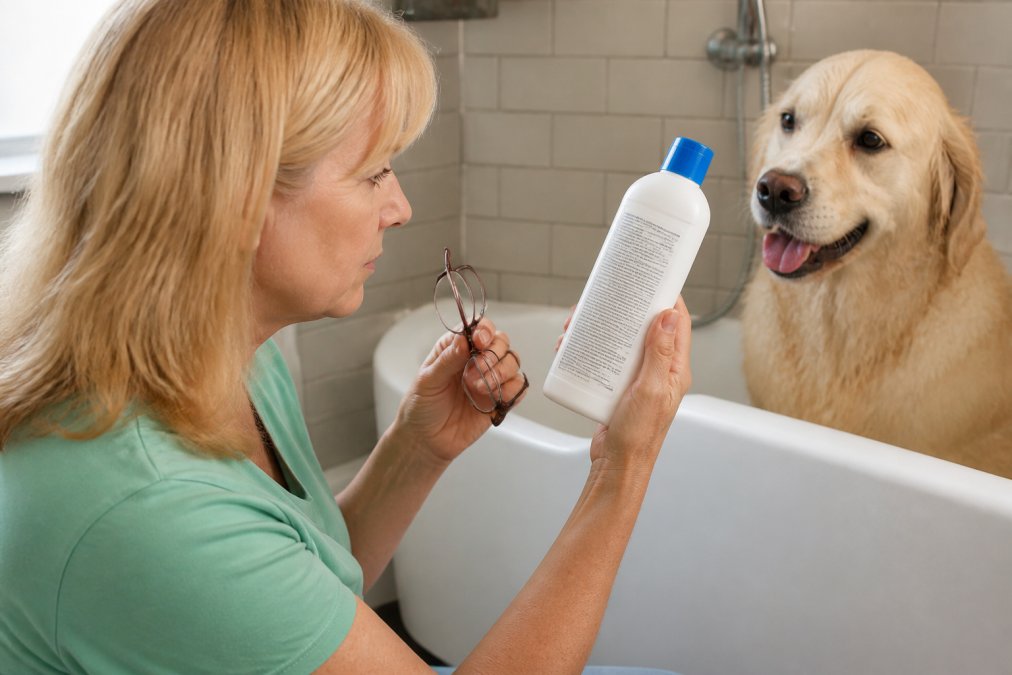
Grooming products sit on your pet's skin for extended periods, making ingredient transparency non-negotiable. Every product label is a legal document. Manufacturers must list ingredients in descending order by weight, the first three to five ingredients determine what your dog is actually being exposed to.
Decoding Product Labels for Hidden Hazards
Look for these red flags on labels:
- Vague terms like "fragrance" or "parfum": These can hide hundreds of chemical compounds you'll never know about.
- Undefined "natural" claims: The term "natural" isn't regulated for pet products. A product can contain one natural ingredient and dozens of synthetic ones.
- Unlisted percentages for key ingredients: If a product claims a beneficial ingredient but doesn't specify how much, it's likely negligible.
- Fillers in the top five ingredients: Corn meal, wheat gluten, or mineral oil are cheap bulking agents providing no benefit to your pet.
FDA guidance on pet food and product labeling requires ingredients be listed by common names. If you can't identify or recognize an ingredient, look it up. That five-minute investment reveals whether a product contains known irritants for your dog's skin type.
:::pro When comparing products with similar price points, the one with fewer total ingredients is usually safer. Simpler formulations mean fewer potential irritants. :::
Understanding Chemical Names on Ingredient Lists
The same ingredient can have multiple names. Sodium lauryl sulfate and sodium dodecyl sulfate are identical, both are surfactants that create lather and are known skin irritants for many dogs.
Create a reference list of problematic chemicals for your dog's specific skin type, then cross-reference it against product labels before purchasing. Common problem chemicals include:
- Sulfates (sodium lauryl sulfate, sodium laureth sulfate): Strip natural oils from skin and coat
- Parabens (methylparaben, propylparaben): Preservatives linked to skin sensitivity
- Phthalates: Plasticizers that can disrupt endocrine function, often hidden under "fragrance"
- Formaldehyde releasers (DMDM hydantoin, imidazolidinyl urea): Preservatives that slowly release formaldehyde
- Artificial dyes (FD&C colors): Linked to allergic reactions
When encountering unfamiliar chemicals, search by name plus "pet safety" or "dog skin irritant." This approach works because you're checking against actual chemical properties, not marketing claims.
Non-Toxic Dog Shampoo Ingredients: What to Look For and Avoid
The term "non-toxic" is marketing language, not a regulated claim. What matters is understanding which ingredients are genuinely safe for your dog's specific skin profile.
Safe Ingredient Choices for Sensitive Skin
Oat-based ingredients like colloidal oatmeal and oat extract have been used in dermatology for decades because they soothe inflammation and restore skin barrier function. If your dog has sensitive skin, a product with oat as a primary ingredient is a smart starting point.
Plant-based gentle cleansers like decyl glucoside and coco-glucoside are surfactants derived from plants that clean effectively without stripping natural oils. The higher price reflects actual safety improvement.
Aloe vera and glycerin provide hydration without irritation, supporting skin moisture retention critical for dogs with dry or sensitive skin.
Natural preservatives like rosemary extract and vitamin E prevent product degradation without the risks associated with parabens or formaldehyde releasers.
Fillers and Allergens That Trigger Reactions
Fillers serve no purpose for your dog's coat health. They exist because they're cheap.
Corn meal and corn flour are common fillers that trigger reactions in dogs with corn allergies. Wheat gluten and wheat flour serve the same purpose but trigger reactions in dogs with wheat sensitivities. Mineral oil coats the hair shaft but doesn't nourish and can trap bacteria over time. Artificial fragrances are a hidden allergen source, a single fragrance name can contain dozens of chemical compounds.
When evaluating a product, ask: does this ingredient serve my dog's skin health, or does it serve the manufacturer's profit margin? If the answer is the latter, keep looking.
Identifying Independent Safety Standards and Certifications
Third-party certifications represent voluntary commitments by manufacturers to meet specific safety criteria. Not all certifications are equal, meaningful certifications require independent laboratory verification, not just self-reporting.
Third-Party Certifications That Actually Matter
ASTM International standards (specifically ASTM F15.05 subcommittee) are developing comprehensive safety standards for pet products. According to ASTM's work on pet safety standards, Colorado State University is partnering with ASTM to consolidate essential canine anthropometric data that directly informs product safety benchmarks. Products tested against ASTM standards have undergone rigorous evaluation.
USDA Organic certification means ingredients were produced without synthetic pesticides or fertilizers. While this doesn't guarantee safety, it eliminates a category of chemical exposure.
NSF International certification indicates a product has been tested for contaminants and meets specific safety criteria through independent, third-party verification.
Veterinary dermatologist recommendations aren't formal certifications, but they're meaningful signals. If a product is recommended by board-certified veterinary dermatologists, it has been vetted by experts with deep knowledge of skin health.
Be skeptical of certifications you've never heard of. If a certification organization doesn't have publicly available testing methodology or enforcement processes, it's likely a marketing badge rather than meaningful safety indicator.
According to Brian Grochal's statement on pet product safety standards, Director of Safety and Quality at BARK, "If we can help set a bar for the most common injuries and bring real safety standards to pet products, that's going to make a difference." The industry is still establishing baseline safety standards. Until those standards are universal, your verification process must include checking for third-party testing and certification.
Pet-Proofing Your Home: Household Hazards to Address
Your home contains dozens of hazards your dog encounters daily. Pet-proofing means systematically removing the most dangerous hazards.
Toxic Household Plants and Safe Alternatives
Lilies (particularly Easter lilies, tiger lilies, and Asiatic lilies) are among the most dangerous plants for dogs. Even small amounts can cause acute kidney injury. Sago palms contain cycasin, a hepatotoxin that causes severe liver damage, a single leaf can be fatal. Dieffenbachia contains calcium oxalate crystals causing oral irritation and difficulty swallowing. Oleander contains cardiac glycosides affecting heart function. Azaleas and rhododendrons contain grayanotoxins causing gastrointestinal upset and cardiac issues.
If you're unsure whether a plant is safe, assume it isn't. Keep ornamental plants in rooms your dog cannot access, or replace them with dog-safe alternatives like spider plants, Boston ferns, African violets, and Christmas cactus.

Human Foods to Avoid and Proper Food Storage
Dogs have different metabolic pathways than humans. Chocolate contains theobromine, a stimulant dogs metabolize slowly, dark chocolate is more dangerous than milk chocolate. Grapes and raisins cause acute kidney failure. Onions and garlic contain thiosulfates that damage red blood cells. Xylitol (an artificial sweetener) causes rapid insulin release leading to hypoglycemia and liver failure. Avocado contains persin causing gastrointestinal upset. Macadamia nuts cause weakness, tremors, and hyperthermia.
Keep all human foods in sealed containers in cabinets your dog cannot access. Secure garbage cans or store them in areas your dog cannot reach.
Building a Pet Safety Protocol: Identification, Supervision, and Emergency Preparedness
A comprehensive pet safety protocol addresses identification, supervision, and emergency preparedness.
Microchipping and ID Tags for Identification
Microchips are tiny transponders implanted under your dog's skin, typically between the shoulder blades. When scanned, the microchip displays a registration number linked to your contact information. The critical step most pet owners skip: registering your microchip. A microchip without current registration information is useless.
ID tags should include your dog's name, your phone number, and your address. Include a secondary phone number if possible. Reflective tags improve visibility at night. Update ID tags immediately if you move or change phone numbers.
Creating Your Pet's First-Aid Kit and Emergency Contact List
Your first-aid kit should include sterile gauze pads, adhesive tape, antibiotic ointment, hydrogen peroxide (3% solution), tweezers, elastic bandages, muzzle, backup leash and collar, medications, medical records, and photos of your dog.
Store your first-aid kit in a clearly labeled container in an easily accessible location. Every household member should know where it is.
Your emergency contact list should include:
- Your primary veterinarian's phone number and hours
- An emergency veterinary clinic's phone number and address
- Animal Poison Control Center: (888) 426-4435
- Your dog's microchip registration number and manufacturer contact information
- A trusted friend or family member who can help in an emergency
Keep this list posted on your refrigerator and stored in your phone.
Evaluating Pet Products: A Verification Framework
Here's the framework Pets R Smarter uses to assess whether a product is worth recommending:
Step 1: Read the ingredient list, not the marketing copy. Turn the product over and read every ingredient. Compare it against your list of problematic ingredients for your dog's specific skin type.
Step 2: Identify the primary active ingredients. The first three to five ingredients determine what the product actually does.
Step 3: Check for third-party testing or certification. Look for ASTM standards, NSF certification, or veterinary dermatologist recommendations.
Step 4: Research the manufacturer. How long has the company been in business? Do they have transparent sourcing practices? Have they had product recalls?
Step 5: Start with a small quantity. Even products that pass all verification steps can trigger reactions in individual dogs.
Step 6: Document your dog's response. Keep notes on how your dog's skin and coat respond to each product.
Conclusion: Making Informed Choices for Your Pet's Wellbeing
Pet safety verification is an ongoing process of informed decision-making. Your pet depends on you to evaluate products, maintain a safe home environment, and respond quickly when problems emerge.
Pets R Smarter exists specifically to remove this burden. Our curation process applies the verification framework you've learned here to every product we recommend. We partner with industry professionals to ensure every item prioritizes your pet's health, safety, and comfort. Our Tail Satisfaction Guarantee backs that commitment: if a product doesn't work for your pet, we make it right.
Start today by auditing your current grooming products using the ingredient-checking process described above. Identify one product to replace with a safer alternative. Then extend that process to your home environment, removing toxic plants and securing human foods. Build your emergency contact list. These steps create a comprehensive safety net for your pet.
Your dog's wellbeing depends on the choices you make today. Make them count.
Frequently Asked Questions
How can I tell if a pet grooming product is non-toxic?
Check the ingredient list for chemical names rather than vague terms like 'fragrance' or 'fillers.' Look for third-party certifications from independent safety standards organizations. Avoid products containing parabens, phthalates, and sulfates. Cross-reference ingredients against known allergens and consult your veterinarian if your pet has sensitive skin. Products with transparent labeling and clear sourcing are more likely to be safe.
What are the signs of an allergic reaction to grooming products?
Watch for itching, redness, rashes, hair loss, or swelling within 24-48 hours of use. Some pets may also experience vomiting or diarrhea if they ingest product residue while grooming themselves. If you notice these symptoms, stop using the product immediately and contact your veterinarian. Keep the product label and ingredient list handy when you call, as this helps your vet identify the specific allergen.
Are there independent organizations that certify pet product safety?
Yes, several organizations verify pet product safety, though pet toys and grooming products face less regulation than pet food. Look for compliance with ASTM International standards, which are developing safety benchmarks for pet products. Some manufacturers voluntarily pursue third-party testing through organizations like SGS or QIMA. The FDA regulates pet food but has limited oversight of non-edible items, so independent certifications are crucial for verifying safety.
How do I verify pet safety for products I've already purchased?
Start by reviewing the ingredient list and checking for any recent recalls through the FDA and CPSC websites. Research the manufacturer's safety practices and certifications. If the product lacks transparency about ingredients or sourcing, contact the company directly for detailed information. Consider having your veterinarian review the product, especially if your pet has sensitive skin or a history of allergies. Trust your instincts, if a product seems unsafe or your pet reacts negatively, discontinue use.
This article was written using GrandRanker