

Is Professional Pet Grooming Worth It? 2026 Guide
Table of Contents
- Is Professional Pet Grooming Worth It? The Real Calculation
- Benefits of Professional Pet Grooming for Your Dog's Health
- Average Cost of Dog Grooming and Hidden DIY Expenses
- How Often Should a Dog Be Groomed Professionally
- DIY Dog Grooming Tips and When to Skip the Professional
- Professional Expertise vs. Home Grooming: What Makes the Difference
- Time and Energy Savings: The Real Value Proposition
- Conclusion: Is Professional Pet Grooming Worth Your Investment
Last Updated: August 16, 2026
Is Professional Pet Grooming Worth It? The Real Calculation
Whether professional pet grooming is worth it depends on your dog's breed, coat type, available time, and comfort level with grooming tasks. The core question isn't whether professional grooming is necessary, but whether the investment delivers measurable value for your situation. Some dogs need professional grooming every 6-8 weeks to maintain coat health; others require it only a few times per year. Most pet owners underestimate the true cost of DIY grooming, not just clippers and shears, but time investment, learning curve, injury risk, and equipment wear.
Benefits of Professional Pet Grooming for Your Dog's Health
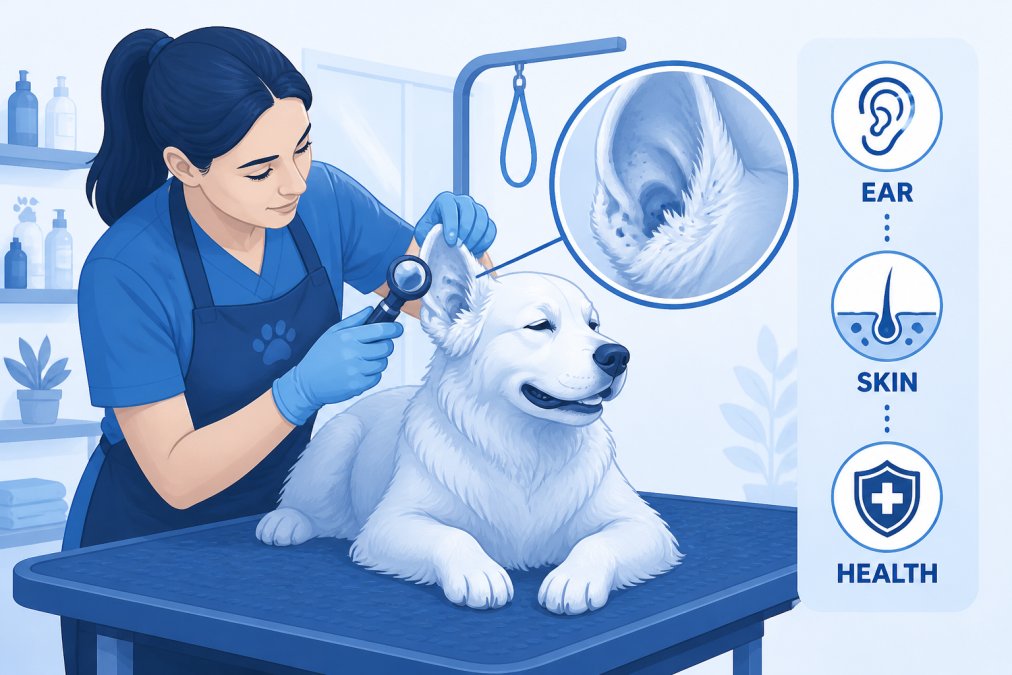
Professional groomers detect problems that owners miss. During a grooming session, a trained professional examines your dog's skin, ears, paws, and coat in detail, often identifying early signs of health issues before they become serious.
Early Detection of Skin and Health Issues
Early detection of skin conditions is one of the most underrated benefits of professional grooming. A groomer's hands are on your dog's entire body, checking for lumps, rashes, parasites, infections, and abnormalities that owners bathing their dogs at home often miss.
Dermatological health is particularly important. Skin issues, fungal infections, bacterial infections, allergies, and parasite infestations often show up first as coat changes, flaking, or unusual odors. A professional catches these during grooming before they spread or worsen, potentially saving significant veterinary costs. Professional groomers also check anal glands during grooming, a task many owners avoid or perform incorrectly, preventing impacted glands from causing discomfort and infection.
Coat Maintenance and Dermatological Health
Proper coat maintenance prevents matting, reduces shedding, and keeps your dog's skin healthy. Professional groomers understand coat texture, undercoat density, and breed-specific grooming standards in ways that most home groomers don't.
Regular deshedding removes dead hair and dander, reducing shedding around your home and improving skin health by allowing air circulation. Professional grooming uses tools and techniques specifically designed for your dog's coat type. A double-coated breed like a Golden Retriever needs different handling than a single-coated breed like a Poodle. Using the wrong tools or techniques can damage the coat or irritate the skin.
Average Cost of Dog Grooming and Hidden DIY Expenses
Understanding whether professional pet grooming is worth it requires comparing professional pricing against the true cost of doing it yourself, which most owners underestimate significantly.
What Professional Grooming Actually Costs
Professional grooming pricing varies by location, dog size, coat condition, and specific services requested. Most professional groomers charge based on the time required and complexity of the work. Grooming frequency depends on your dog's breed and coat type, some dogs need professional grooming every 4-6 weeks, others 2-3 times per year.
Many pet owners choose a hybrid approach: professional grooming for complex tasks (nail trimming, ear cleaning, sanitary trim, and full coat work) and home maintenance between visits. This balances cost with the benefits of professional expertise.
The Hidden Costs of DIY Grooming
DIY grooming requires an initial investment in professional-quality equipment. Quality clippers, shears, nail grinders, and other grooming tools cost significantly more than most people expect and wear out quickly when used incorrectly.
Beyond equipment, DIY grooming demands your time, a full grooming session takes 2-4 hours depending on your dog's size and coat condition. The learning curve is steeper than most owners realize. Improper technique causes clipper burn, uneven cuts, matting, and stress for your dog. There's also real injury risk: nail trimming mistakes cause bleeding and pain, ear cleaning done incorrectly can puncture the ear canal, and bath water at the wrong temperature stresses your dog.
How Often Should a Dog Be Groomed Professionally
Grooming frequency depends on your dog's breed, coat type, lifestyle, and health status.
Breed-Specific Grooming Requirements
Breed standards define grooming expectations for different dogs. A Poodle with a continuously growing coat needs professional grooming every 4-6 weeks to maintain the breed standard and prevent matting. A Labrador Retriever with a double coat needs professional grooming 2-4 times per year, primarily for deshedding and sanitary work.
Long-haired breeds like Shih Tzus, Malteses, and Afghan Hounds require frequent professional grooming to prevent matting and maintain coat health. Understanding your dog's breed-specific requirements helps you budget for grooming and plan your schedule.
Grooming for Senior and Anxious Pets
Senior dogs often need more frequent professional grooming because they're less able to groom themselves and may have mobility issues. A professional groomer can handle a senior dog gently and efficiently, reducing stress and physical strain.
Anxious pets benefit significantly from professional grooming. A trained groomer knows how to handle anxious dogs with calm, confident handling that reduces stress. Many anxious dogs become calmer with a professional groomer they see regularly. This stress-free handling is often worth the cost alone compared to the stress and potential injury risk of attempting to groom an anxious dog at home.
DIY Dog Grooming Tips and When to Skip the Professional
Some grooming tasks are safe and practical to handle at home between professional visits. Others carry significant risks and are better left to professionals.
Safe At-Home Maintenance Between Professional Visits
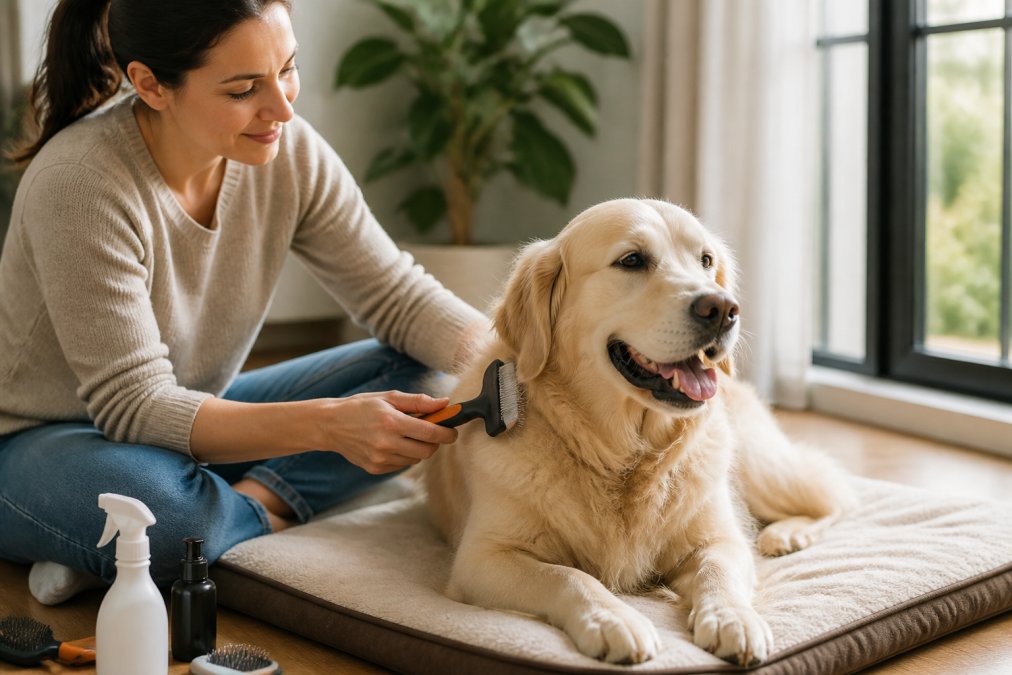
Brushing your dog's coat regularly between professional grooming sessions prevents matting and reduces shedding. Regular brushing also helps you notice skin changes, parasites, or other health issues early. Wiping your dog's paws after outdoor time removes dirt and reduces the spread of parasites and bacteria.
Dental care at home supports your dog's overall health. Brushing your dog's teeth a few times per week reduces tartar buildup and prevents dental disease. Spot cleaning between baths keeps your dog fresh without the full bathing and drying process.
Risks of DIY Grooming You Should Know
Nail trimming carries real injury risk. The quick is difficult to see, especially on dark nails. Cutting into it causes bleeding, pain, and potential infection. Ear cleaning done incorrectly can damage the ear canal or push debris deeper. Full bathing and drying requires proper water temperature, appropriate shampoo, and thorough drying to prevent skin irritation and infection.
Clipper burn is a common DIY grooming injury caused by dull blades or incorrect blade angle, causing painful skin irritation that can lead to infection. Matting removal is nearly impossible to do safely at home without damaging the coat or injuring your dog.
Professional Expertise vs. Home Grooming: What Makes the Difference
The difference between professional and home grooming comes down to training, equipment, and experience. A professional groomer has invested time in learning proper technique, breed standards, and safety protocols. They own professional-grade equipment designed for efficiency and safety and handle hundreds of dogs per year, developing skill to work quickly and calmly with different temperaments and coat types.
Professional grooming involves stress-free handling. A trained groomer knows how to position your dog safely, recognize signs of stress or discomfort, and work efficiently to minimize grooming table time. Safety protocols matter: professional grooming facilities have proper ventilation, non-slip surfaces, and equipment designed for safe grooming. Professional expertise also includes knowing when to refer your dog to a veterinarian for health concerns noticed during grooming.
Time and Energy Savings: The Real Value Proposition
For most pet owners, the time savings from professional grooming is the most underrated benefit. A full grooming session takes 2-4 hours at home, including bathing, drying, brushing, nail trimming, and cleanup. Professional grooming delivers this work in a single appointment without your involvement in bathing, drying, or cleanup.
The energy savings compound over time. Grooming a large dog or a dog with a heavy coat is physically demanding. A professional groomer does this work efficiently, and you avoid the physical strain. For busy pet owners, families with limited time, or owners with mobility issues, professional grooming is a practical solution that makes pet ownership sustainable.
Is professional pet grooming worth it? For most dog owners, the answer is yes, at least for some grooming tasks. The health benefits of early detection, the safety of professional handling, and the time savings make professional grooming a worthwhile investment in your dog's wellbeing. At Pets R Smarter, we understand that quality pet care means choosing the right tools and services for your dog's needs. Our curated selection of premium grooming tools and expert guidance helps you make informed decisions about your dog's care. Whether you choose professional grooming, home maintenance, or a combination of both, prioritize your dog's health and comfort with products and services backed by our Tail Satisfaction Guarantee.
| Grooming Task | Professional | Home DIY | Best Choice |
|---|---|---|---|
| Full coat grooming | Efficient, proper technique | Time-consuming, learning curve | Professional |
| Nail trimming | Safe, quick, proper angle | Injury risk, difficult | Professional |
| Ear cleaning | Proper depth, no damage | Risk of canal injury | Professional |
| Bathing/drying | Complete, proper temperature | Demanding, drying challenges | Professional |
| Regular brushing | Occasional maintenance | Frequent, preventive | Home |
| Spot cleaning | Not needed if professional | Quick between visits | Home |
| Anal gland check | Routine during grooming | Uncomfortable, often avoided | Professional |
Frequently Asked Questions
Is professional pet grooming worth the cost compared to doing it yourself?
Professional pet grooming is worth it when you factor in the cost of tools, time investment, and risk of injury. Groomers have professional equipment, dermatological expertise, and can detect early health issues like skin infections or parasites that DIY grooming might miss. For most dog owners, the hygiene standards and stress-free handling professionals provide justify the expense, especially for breeds requiring specialized coat maintenance.
How often should a dog be groomed by a professional?
Most dogs benefit from professional grooming every 4-12 weeks, depending on breed and coat type. Double-coated breeds need grooming every 6-8 weeks to prevent matting and maintain undercoat health. Dogs with longer coats or those prone to skin issues may need more frequent visits. Senior pets and anxious dogs often do better with shorter intervals to reduce stress and catch health problems early.
What are the hidden costs of grooming your dog at home?
DIY grooming costs add up quickly: clippers ($100-300), scissors, nail grinders, shampoos, and drying equipment. There's also the time investment, bathing, drying, and grooming a dog takes 2-4 hours. Mistakes like clipper burn, improper nail trimming, or anal gland expression gone wrong lead to veterinary bills. Many owners underestimate these expenses and the risk of injury to themselves or their pet.
Can I groom my anxious dog at home, or should I use a professional?
Anxious dogs often do better with professionals who have stress-free handling techniques and experience managing fearful pets. Professional groomers use calming protocols and work efficiently to minimize stress. At home, anxiety can escalate into injury risk for both you and your dog. For senior or anxious pets, professional grooming with shorter appointment times is safer and more humane than forcing DIY grooming at home.
This article was written using GrandRanker