

Safe Grooming Tools for Puppies: 2026 Guide
Table of Contents
- Why Safe Grooming Tools Matter for Puppies
- Essential Grooming Tools for Beginners
- Puppy Nail Trimming Safety: Clippers vs. Grinders
- Puppy Grooming Safety Tips for At-Home Care
- How to Groom a Puppy at Home: Step-by-Step
- Specialized Tools for Sensitive Skin and Shedding
- Age-Appropriate Tool Selection and Desensitization
- Conclusion
Last Updated: August 21, 2026
Why Safe Grooming Tools Matter for Puppies
Puppies aren't just smaller dogs, their skin, coat, and temperament require a fundamentally different approach to grooming. Over 70% of American households welcomed a pet into their homes in 2021 and 2022, according to the American Pet Products Association National Pet Owners Survey, and most new puppy owners underestimate how early grooming care begins. The problem isn't just comfort; it's safety and long-term behavioral conditioning.
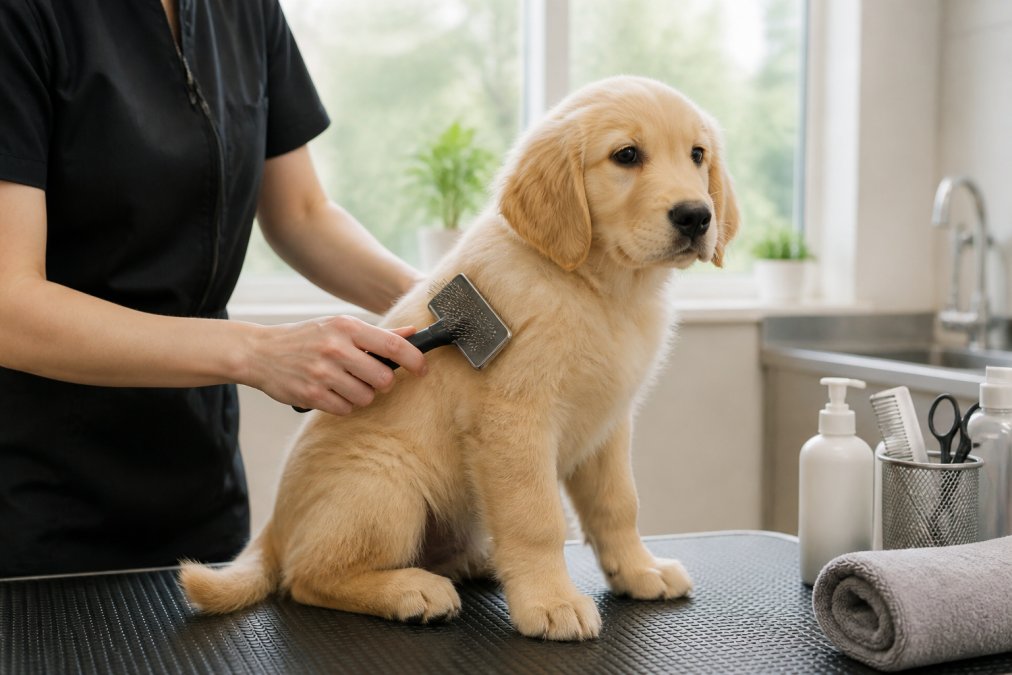
Professional grooming reduced bacteria on a dog's fur from 34.7 million to 10 CFUs, and in their mouths from 6.1 million to 140 CFUs, on average, according to Barkbus research on grooming effectiveness. That's not a vanity metric, it's hygiene. But the real stakes for puppies are higher. Without proper tools and technique, you risk skin irritation, behavioral trauma, and injuries that compound into grooming anxiety for life.
At Pets R Smarter, we offer a curated selection of premium grooming and pet care solutions. We partner with industry professionals to ensure every product we offer prioritizes the health, safety, and comfort of your pets. The difference comes down to three things: tool design, material quality, and technique. This guide covers all three.
Essential Grooming Tools for Beginners
Starting with the right foundation matters more than having every specialized tool. Most first-time puppy owners buy too much, too fast, and end up with tools they can't use safely. The essentials are simpler than you'd think.
A slicker brush is your starting point. It removes loose fur and detangles without pulling skin. For puppies with sensitive skin, a soft-bristled brush works better than wire bristles in the first weeks. The key is using light pressure, puppies interpret firm brushing as uncomfortable, even when it isn't causing pain.
Nail care requires a dedicated tool, not human clippers. Human nail clippers are shaped for fingernails and create crushing pressure on dog nails, often splintering them and causing pain that puppies remember. A professional-grade clipper with a safety guard prevents over-cutting. The Mighty Paw Dog Nail Clippers feature razor-sharp 3.5mm stainless steel blades and a built-in safety guard specifically designed to stop you before cutting into the quick, the blood vessel inside the nail.
A grooming mitt serves double duty: it removes loose hair during dry grooming and dries the puppy after baths. The Dirty Dog Grooming Mitt combines rubber nubs for gentle grooming with super-absorbent microfiber, cutting drying time in half. Puppies who associate grooming with a soothing massage rather than restraint develop positive grooming habits.
For puppies under 12 weeks, avoid electric clippers entirely. Their skin is too sensitive, and the noise creates lasting anxiety. Wait until at least 16 weeks before introducing cordless clippers, and even then, choose models specifically designed for quiet operation, under 60 decibels.
Brushes and Combs for Different Coat Types
Coat type determines brush choice. Double-coated puppies (Labs, Golden Retrievers, German Shepherds) need an undercoat rake to reach the dense inner layer. Single-coated puppies (Poodles, Dachshunds) need a slicker brush for detangling and a finer comb for finishing. Curly-coated puppies (Doodles, Poodles) mat easily and need daily attention with a detangling spray.
The mistake most owners make is using the wrong brush for the coat type, then assuming their puppy hates grooming. A single-coated puppy brushed with an undercoat rake feels like being stabbed. A double-coated puppy brushed with just a slicker brush never gets the loose undercoat out, leading to mats that require professional dematting later.
For sensitive skin, avoid metal bristles in the first 8 weeks. Soft nylon or natural bristle brushes are gentler. As the puppy matures, gradually introduce firmer bristles. The DOUXO S3 CALM Detangling Spray hydrates skin and makes brushing easier, it's formulated with 97% natural-origin ingredients and pH-adjusted for pets, reducing friction and matting without chemical harshness.
Puppy Nail Trimming Safety: Clippers vs. Grinders
Nail trimming is where most DIY grooming goes wrong. The quick, the blood vessel inside the nail, extends further into light-colored nails, making them harder to judge. Cut too short and the puppy bleeds, yelps, and develops nail-trimming anxiety that lasts years.
Clippers work through shear force: you squeeze and the blade cuts. Grinders work through friction: a rotating stone file grinds the nail down gradually. For puppies, clippers are safer because they're faster and less intimidating. Grinders produce vibration and noise that nervous puppies find stressful, even at lower speeds.
The Mighty Paw Dog Nail Clippers include a safety guard that physically prevents you from cutting past a certain depth. The ergonomic handles give you control, and the sharp blades mean less pressure required, less pressure means a calmer puppy.
If you're trimming for the first time, trim only the clear or light part of the nail. If the nail is dark, trim just the curved hook at the end. When in doubt, trim less. You can always go shorter next time; you can't undo bleeding.
For light-colored nails, nail clippers with an LED light are worth the investment because they make blood vessels visible, minimizing injury risk. For dark nails, the safety guard is non-negotiable.
Puppy Grooming Safety Tips for At-Home Care
DIY grooming without proper training carries real risks. Without proper training, owners may accidentally cut their dog's skin, trim nails too short, or use incorrect tools and techniques, leading to discomfort, infections, or behavioral problems, according to veterinary guidance on DIY grooming risks. Common mistakes include using human products, overbathing, and improper brushing.
Start grooming sessions when your puppy is calm, not hyper. A tired puppy is a cooperative puppy. Groom for 5-10 minutes, then stop. Short, positive sessions build tolerance better than marathon grooming sessions that exhaust both of you.
Use only puppy-safe products. The U.S. pet grooming products market was valued at USD 5.11 Billion in 2024 and is projected to reach USD 7.01 Billion by 2030, rising at a CAGR of 5.47%, according to United States Pet Grooming Products Market research, driven by rising awareness regarding regular pet bathing and skin conditions. That growth reflects increasing demand for safe, age-appropriate formulas. TropiClean Hypoallergenic Puppy & Kitten Shampoo is formulated for puppies 12 weeks and older, free from harsh chemicals, parabens, soap, and dyes. earthbath Hypo-Allergenic Shampoo, Fragrance Free, is safe for puppies over 6 weeks and formulated with mild, natural ingredients.
Never use human shampoo. It disrupts the pH balance of puppy skin, causing irritation and dryness. Never overbath, more than once weekly strips natural oils. For puppies between baths, earthbath Ultra-Mild Puppy Grooming Wipes safely clean paws and face without full water exposure.
Handle ears and paws gently. These areas are sensitive and puppies guard them fiercely if they've experienced pain. Establish positive associations by rewarding calm handling with treats.
How to Groom a Puppy at Home: Step-by-Step
Grooming at home is manageable if you follow a structured process. Start with a calm puppy in a quiet space. Have all tools within reach before you begin.
Step 1: Brush First (5 minutes) Use the appropriate brush for your puppy's coat type. Start at the head and work toward the tail, following the direction of hair growth. Use light pressure, you're removing loose hair, not scrubbing. If you hit a mat, use the detangling spray and work it out gently with a comb rather than forcing the brush through.
Step 2: Bathe If Needed (10 minutes) Use lukewarm water (not hot). Wet the coat thoroughly, then apply puppy shampoo. Lather gently, avoiding eyes and ears. Rinse completely, soap residue causes itching. Pat dry with a towel; don't rub. For puppies with sensitive skin, use earthbath Hypo-Allergenic Shampoo, Fragrance Free, which is pH-balanced and free of irritants.
Step 3: Trim Nails (5 minutes) Have your puppy sit or lie down. Hold the paw gently but firmly. Trim only the curved hook at the end of the nail, or the clear portion if visible. Never rush this step. If your puppy pulls away, pause and reward calm behavior before continuing. Use the Mighty Paw Dog Nail Clippers with the safety guard engaged.
Step 4: Clean Ears (2 minutes) Gently wipe the outer ear with a soft cloth. Never insert anything into the ear canal. If you notice redness, odor, or discharge, see a veterinarian before grooming further.
Step 5: Brush Teeth (2 minutes) Establish dental care early. The Vet's Best Puppy Dental Care Kit includes a peanut butter-flavored toothpaste that puppies find appealing and a triple-headed toothbrush for efficient cleaning.
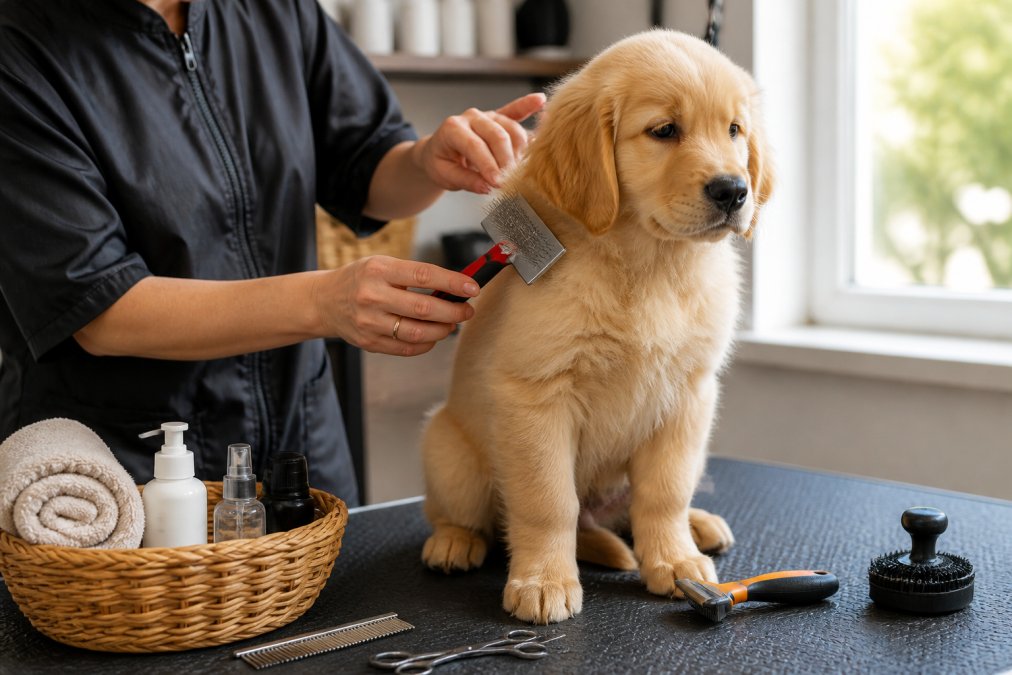
Total Time: 25-30 minutes for a full grooming session
Repeat this routine weekly for puppies under 16 weeks, then adjust frequency based on coat type and growth rate.
Specialized Tools for Sensitive Skin and Shedding
Puppies with sensitive skin need different tools than those with hardy coats. Sensitive skin is easily irritated by friction, harsh bristles, or chemical residue. The solution isn't fewer grooming sessions, it's gentler tools and formulations.
The HandsOn Pet Grooming Gloves use rubber nodules instead of bristles, providing a massage-like sensation that puppies find soothing rather than stressful. They work wet or dry, making them ideal for bathing and post-bath grooming. The gentle rubber removes loose hair without pulling or scratching.
For deshedding, avoid metal rakes on sensitive skin. Use a soft undercoat rake or a deshedding mitt instead. The Dirty Dog Grooming Mitt combines both functions, the rubber nubs loosen undercoat, and the microfiber absorbs moisture. For puppies prone to matting, the DOUXO S3 CALM Detangling Spray prevents knots before they form. It hydrates skin, nourishes the coat, and makes brushing easier with its 97% natural-origin formula.
Shampoo choice matters enormously for sensitive skin. In 2024, Shampoo & Conditioner dominated the product type segment of the U.S. Pet Grooming Products Market with a 54.6% market share, according to US Pet Grooming Products Market research, driven by increasing awareness regarding regular pet bathing and skin conditions. Choose formulas specifically labeled hypoallergenic and fragrance-free. Scented products can trigger reactions even if the base formula is gentle.
Age-Appropriate Tool Selection and Desensitization
Puppy age determines what tools are safe and how to introduce them. Puppies under 8 weeks shouldn't be groomed beyond gentle brushing and spot cleaning. Their skin is too delicate, and the stress of full grooming can cause behavioral issues.
8-12 Weeks: Introduce soft brushing and bathing with puppy-specific shampoo. Use warm (not hot) water. Keep sessions under 10 minutes. No nail trimming yet, nails are too soft and the experience is unnecessarily stressful.
12-16 Weeks: Begin nail trimming with clippers and a safety guard. Introduce dental care with the Vet's Best Puppy Dental Care Kit. Continue soft brushing. Use detangling spray to prevent mats. Keep sessions under 15 minutes.
16+ Weeks: Introduce cordless clippers if needed, but only quiet models under 60 decibels. Most puppies don't need body clipping until 6+ months. Continue all previous grooming routines, gradually extending session length as tolerance builds.
Desensitization is critical. Puppies who experience fear or pain during grooming develop anxiety that lasts into adulthood. Start by letting your puppy see and smell grooming tools without using them. Touch their paws, ears, and face daily so they're comfortable with handling. Reward calm behavior with treats.
A controlled study measuring stress hormones in 120 dogs showed a 45% reduction in cortisol levels after professional grooming, with effects lasting up to 72 hours. Dogs groomed by certified professionals showed significantly greater stress reduction, according to Applied Animal Behaviour Science research on grooming stress. This suggests that early positive grooming experiences set puppies up for better stress management throughout life.
| Age Range | Safe Tools | Duration | Frequency |
|---|---|---|---|
| 8-12 weeks | Soft brush, warm water, wipes | 5-10 min | 2-3x/week |
| 12-16 weeks | Add nail clippers, dental kit | 10-15 min | Weekly |
| 16+ weeks | Add cordless clippers (quiet) | 15-25 min | Weekly to bi-weekly |
=== FAQ ANSWERS (audit these too, same rules) ===
[1] Q: What are the safest grooming tools for puppies with sensitive skin? A: Puppies with sensitive skin benefit from tools designed with gentle handling in mind. Look for slicker brushes with soft, fine-wire bristles that won't irritate the skin, and grooming gloves with rubber nodules that provide a massage-like experience. Pair these with hypoallergenic, fragrance-free shampoos like earthbath Hypo-Allergenic Shampoo to avoid triggering reactions. Always test new products on a small area first, and consult your veterinarian if your puppy shows signs of skin irritation during grooming.
[2] Q: At what age can I safely start using grooming tools on my puppy? A: Most puppies can begin grooming with gentle tools around 8-12 weeks old, though early desensitization is key. Start with soft brushes and grooming gloves before introducing clippers or nail trimmers. Products like earthbath Ultra-Mild Puppy Grooming Wipes are safe for puppies over 6 weeks and great for early exposure. Avoid full baths until 12 weeks unless absolutely necessary. Always prioritize building positive associations, short, reward-based sessions help puppies develop comfort with grooming tools and reduce anxiety later.
[3] Q: How do I prevent injuries when trimming a puppy's nails at home? A: Invest in nail clippers with built-in safety guards, like Mighty Paw Dog Nail Clippers, which prevent cutting nails too short and causing bleeding. For added safety, use clippers with LED lights to see blood vessels in light-colored nails. Trim only the clear or slightly opaque portion of the nail, never into the quick. If your puppy is nervous, consider a cordless quiet clipper like the CASFUY model (50 decibels) to reduce stress. For first-timers, a nail grinder offers more control and is gentler than clippers, trim small amounts frequently rather than cutting once too short.
[4] Q: Can I groom my puppy myself, or should I use a professional groomer? A: You can groom your puppy at home for basic maintenance like brushing and nail trimming, especially with the right tools and training. However, professional groomers have expertise in handling anxious pets and breed-specific cuts that prevent injury. According to research, dogs groomed by certified professionals showed significantly greater stress reduction after grooming. Start with basic at-home care using safe tools, and consider professional grooming for sanitary trims, dematting, or if your puppy shows extreme anxiety. The combination of both approaches often works best for puppy health and comfort.
[5] Q: What makes a grooming tool 'professional-grade' and safe for puppies? A: Professional-grade tools feature stainless steel blades (3Cr13 or higher) that stay sharp and deliver clean cuts without snagging, ergonomic non-slip handles for secure control, and safety features like guards or rounded tips. Cordless options with low noise output (under 60 decibels) reduce stress for anxious puppies. Materials matter: quality stainless steel prevents rust and maintains sharpness, while poor-quality alloys dull quickly and cause skin irritation. Pets R Smarter curates products meeting these standards through expert partnerships, ensuring every tool prioritizes your puppy's safety and comfort.
Frequently Asked Questions
Q: What are the safest grooming tools for puppies with sensitive skin?
A: Puppies with sensitive skin benefit from tools designed with gentle handling in mind. Look for slicker brushes with soft, fine-wire bristles that won't irritate the skin, and grooming gloves with rubber nodules that provide a massage-like experience. Pair these with hypoallergenic, fragrance-free shampoos like earthbath Hypo-Allergenic Shampoo to avoid triggering reactions. Always test new products on a small area first, and consult your veterinarian if your puppy shows signs of skin irritation during grooming.
Q: At what age can I safely start using grooming tools on my puppy?
A: Most puppies can begin grooming with gentle tools around 8-12 weeks old, though early desensitization is key. Start with soft brushes and grooming gloves before introducing clippers or nail trimmers. Products like earthbath Ultra-Mild Puppy Grooming Wipes are safe for puppies over 6 weeks and great for early exposure. Avoid full baths until 12 weeks unless absolutely necessary. Always prioritize building positive associations, short, reward-based sessions help puppies develop comfort with grooming tools and reduce anxiety later.
Q: How do I prevent injuries when trimming a puppy's nails at home?
A: Invest in nail clippers with built-in safety guards, like Mighty Paw Dog Nail Clippers, which prevent cutting nails too short and causing bleeding. For added safety, use clippers with LED lights to see blood vessels in light-colored nails. Trim only the clear or slightly opaque portion of the nail, never into the quick. If your puppy is nervous, consider a cordless quiet clipper like the CASFUY model (50 decibels) to reduce stress. For first-timers, a nail grinder offers more control and is gentler than clippers, trim small amounts frequently rather than cutting once too short.
Q: Can I groom my puppy myself, or should I use a professional groomer?
A: You can groom your puppy at home for basic maintenance like brushing and nail trimming, especially with the right tools and training. However, professional groomers have expertise in handling anxious pets and breed-specific cuts that prevent injury. According to research, dogs groomed by certified professionals showed significantly greater stress reduction after grooming. Start with basic at-home care using safe tools, and consider professional grooming for sanitary trims, dematting, or if your puppy shows extreme anxiety. The combination of both approaches often works best for puppy health and comfort.
Q: What makes a grooming tool 'professional-grade' and safe for puppies?
A: Professional-grade tools feature stainless steel blades (3Cr13 or higher) that stay sharp and deliver clean cuts without snagging, ergonomic non-slip handles for secure control, and safety features like guards or rounded tips. Cordless options with low noise output (under 60 decibels) reduce stress for anxious puppies. Materials matter: quality stainless steel prevents rust and maintains sharpness, while poor-quality alloys dull quickly and cause skin irritation. Pets R Smarter curates products meeting these standards through expert partnerships, ensuring every tool prioritizes your puppy's safety and comfort.
Grooming your puppy safely requires the right tools, the right technique, and patience. Pets R Smarter curates premium grooming products specifically tested for puppy safety and comfort. Our Tail Satisfaction Guarantee means you can invest in quality tools with confidence, if they don't work for your puppy, we make it right. Start with the essentials: a slicker brush, nail clippers with a safety guard, and puppy-safe shampoo. Build from there as your puppy matures and your confidence grows.
This article was written using GrandRanker